
Indie Designers Reign Supreme at NYFW S/S 2027
New York once again opened Fashion Month with a distinctly American point of view. Running September 10–15, 2026, the Spring/Summer 2027 season brought together established American houses, new creative leadership and a particularly strong showing from independent designers. The CFDA’s preliminary official schedule featured 70 runway shows and designer presentations, creating a week that balanced fashion’s established names with the designers shaping what comes next.
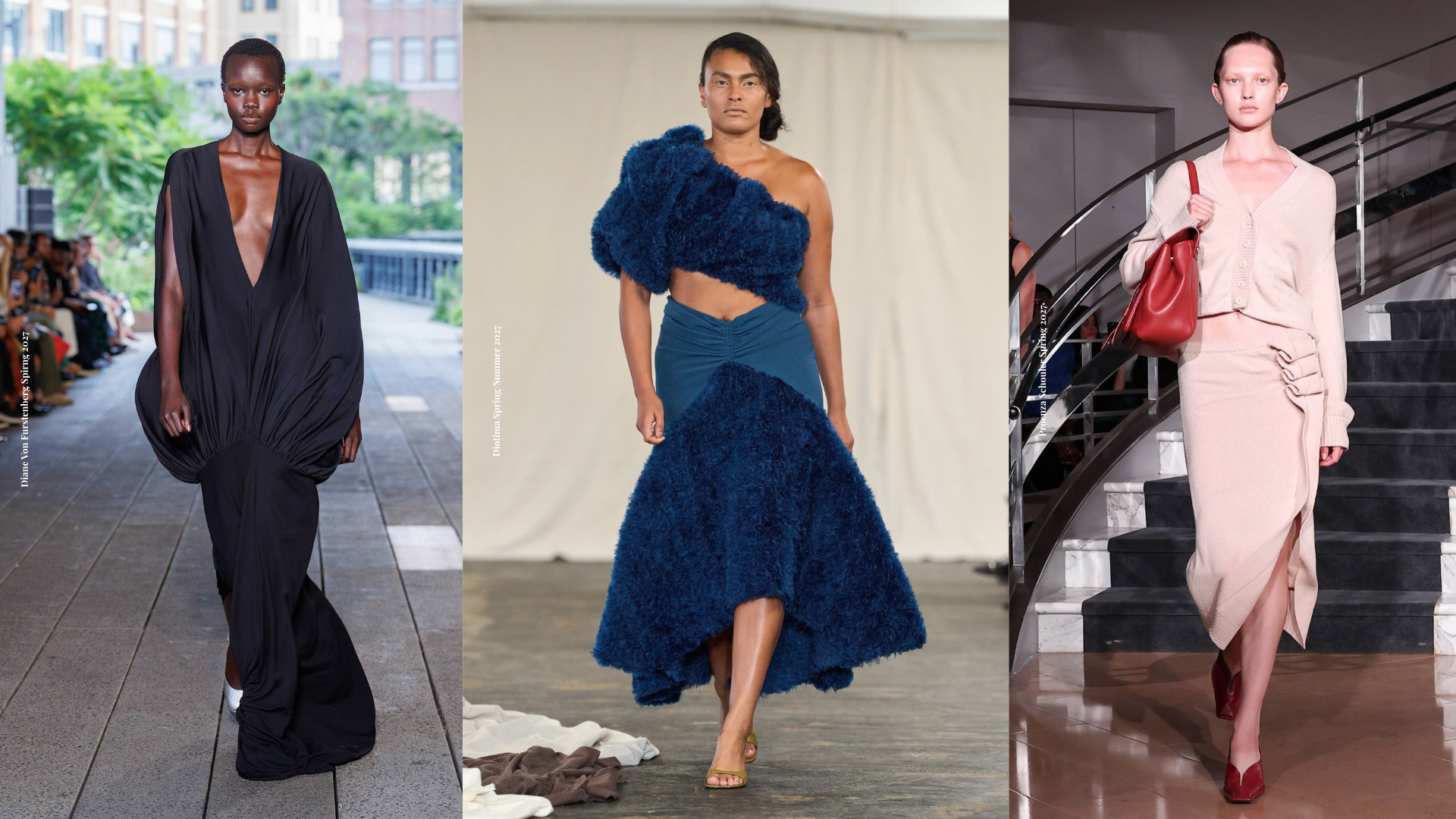
The week opened with a significant new chapter for Diane von Furstenberg. Henry Zankov made his debut as artistic director of the house on September 10, marking DVF’s return to the official NYFW calendar after nearly a decade. Zankov’s appointment brought a new creative perspective to one of American fashion’s most recognizable names, setting an early tone for a season preoccupied with both heritage and reinvention.
Yet, it was independent and emerging talent that gave much of the week its creative energy. Rachel Scott continued an important season for her brands, presenting both Diotima and her first Spring/Summer collection for Proenza Schouler. Her Proenza collection demonstrated how color, pattern and recognizable house codes can be reinterpreted through a contemporary lens, while Diotima offered a more personal exploration of texture and silhouette.
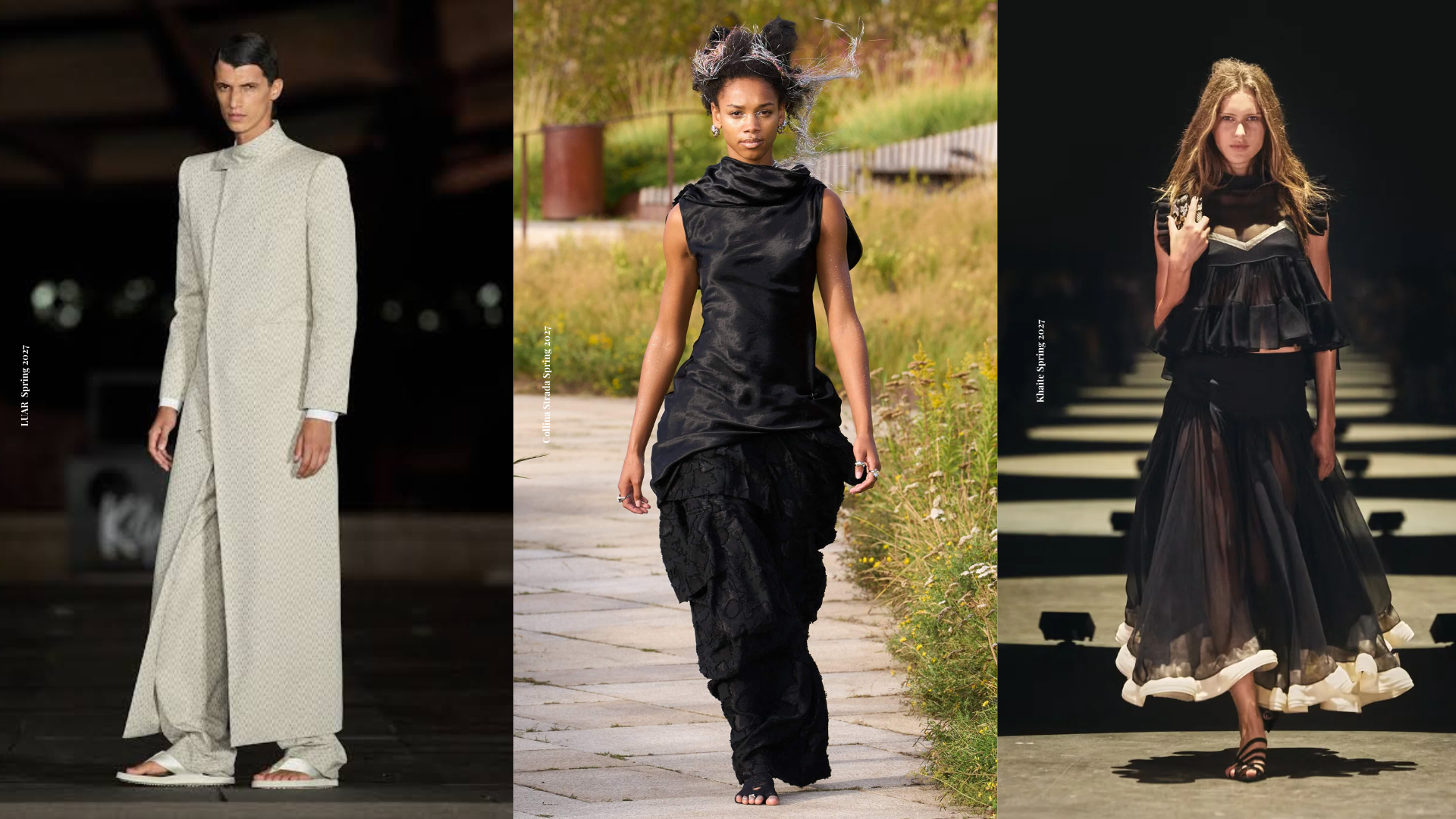
Other emerging names also commanded attention. Zoe Gustavia Anna Whalen, a CFDA/Vogue Fashion Fund finalist, presented a tactile collection built around layered, textured fabrics and relaxed silhouettes. LUAR brought its highly expressive aesthetic to the Unisphere, while Collina Strada transformed its presentation into an immersive experience at Storm King Art Center.
At the established end of the spectrum, Khaite marked its 10th anniversary, while Coach celebrated 85 years. Carolina Herrera also marked 45 years, underscoring another recurring theme of the season: American houses looking to their histories while continuing to evolve their identities.
And fashion week itself continued to expand beyond the runway. From immersive presentations and fashion films to large-scale events and celebrity culture, NYFW increasingly operates as a broader cultural platform rather than simply a series of collection viewings. Vogue Business noted the enthusiasm among buyers for the season’s independent designers, while the CFDA emphasized New York’s role as a gateway to the American market.
New York’s Spring/Summer 2027 season offered a compelling reminder of the value of independent fashion. Established houses continue to provide heritage and recognition, but emerging designers are supplying much of the experimentation, personality and cultural movement that keeps New York fashion relevant. The most interesting question may not be who will become the next major house, but how these independent voices will build lasting brands without sacrificing the creative identities that made them worth watching in the first place.
