
The Future of Luxury Fashion: A Growth Guide for Early to Emerging Brands
Recent Developments around AI acceleration, economic realignment, and new global consumer dynamics are forging meaningful pivots for bigger legacy players but what does it mean for the next generation of luxury fashion brands?
The fashion industry produces no shortage of reports, data, and future-casting—most notably Business of Fashion's The State of Fashion Report of 2026—yet nearly all of it speaks to established players and global conglomerates designed to move at scale. Yet Emerging luxury fashion brands are left without practical guidance on how to structure resilient business models, navigate changing consumer behavior, and grow with intention in an increasingly complex market. Early and emerging luxury designers are navigating a far more competitive landscape than ever before—crowded with new brands launching daily and legacy fashion houses backed by capital, experienced leadership, and global infrastructure. While these incumbents hold scale advantages, founders today are no longer required to follow the traditional legacy playbook to succeed.
When independently owned and now globally renowned brand Jacquemus, founded by Simon Porte Jacquemus, stepped onto the fashion scene in 2009, it emerged as a minimalist French concept with an instinctive understanding of visibility and storytelling. From the very beginning, it was clear that Jacquemus had a sharp grasp of press and how to generate attention at an early stage. Simon funded his initial collection with his own money, worked with a local seamstress, and supported the business by taking a sales role at the Comme des Garçons store in Paris. Early buzz followed through unconventional tactics—most notably a “fake protest” staged outside a Dior show—which successfully captured press and industry attention.
It’s no coincidence that Jacquemus is now regarded as one of the most exciting independent luxury fashion brands today. Known for its viral moments and cult-favorite hero products—most famously the iconic Le Chiquito bag, a tiny, ultra-mini handbag that captured global attention through its exaggerated proportions—the brand continues to dominate social media while delivering seasonal collections that consistently resonate. What truly sets Jacquemus apart, however, is not just its creativity, but its independence. For over 16 years, Simon Porte Jacquemus has maintained full control of the brand, building a legacy many emerging luxury designers aspire to. Most importantly, Jacquemus has established a distinct brand language and visual code that resonates with both new-generation luxury consumers and ultra-high-net-worth collectors—without ever conforming to traditional luxury formulas.
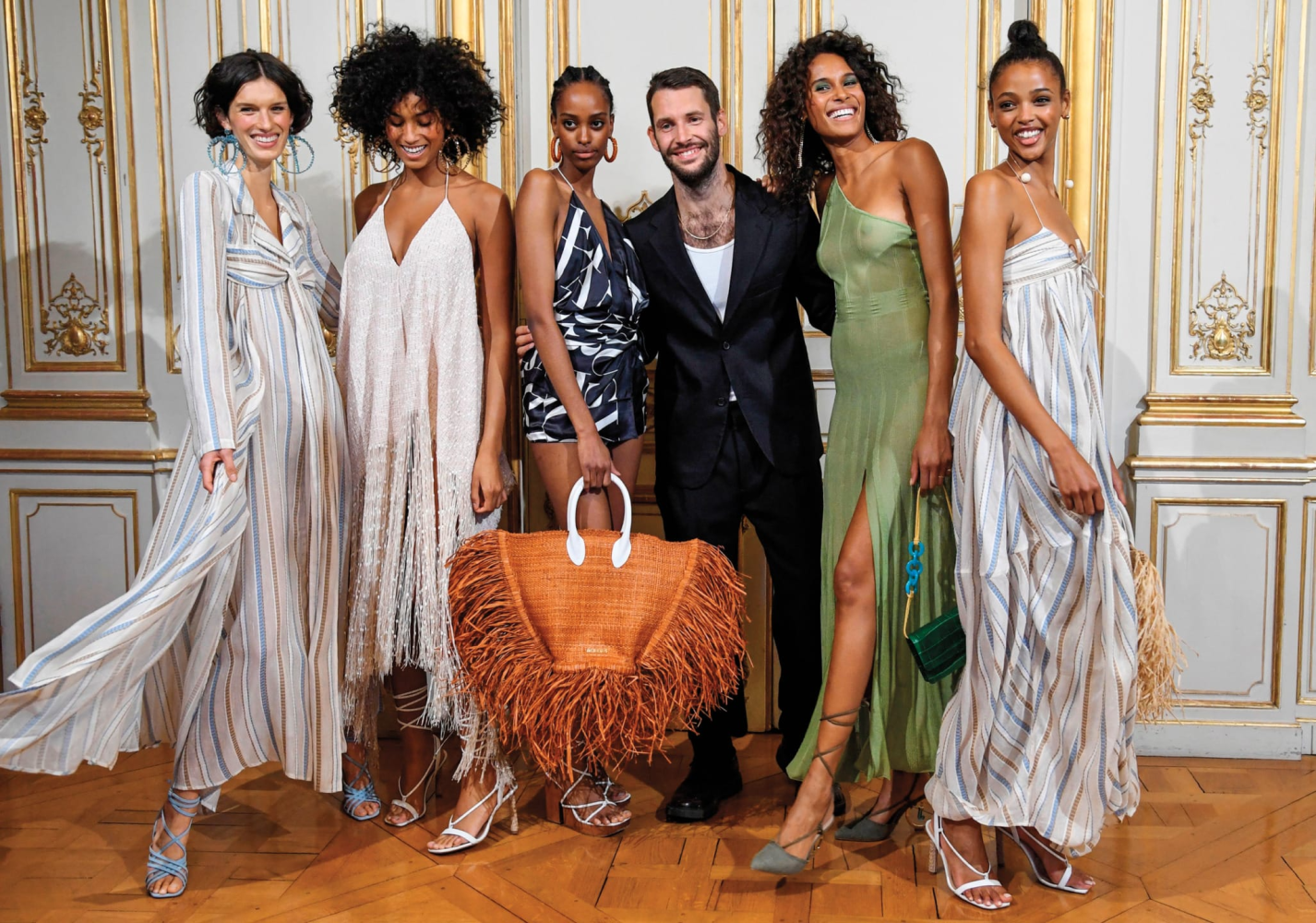
Fast forward to today, and the brand is expanding beyond fashion. Earlier this year, L’Oréal Groupe signed an exclusive long-term partnership with Jacquemus, marking the brand’s official entry into the beauty category. This move signals a pivotal moment in its evolution—from independent fashion house to multi-category luxury brand. Alongside beauty, Jacquemus is continuing to deepen its global footprint, with expansion across the U.S. and fast-growing markets such as the Middle East, where luxury demand is accelerating and cultural influence is reshaping the global fashion landscape.
One of the most important takeaways from this brand is that there is no single formula for growth in luxury fashion. Success does not come from following legacy playbooks—it comes from charting a distinct path yet still remaining deeply strategic. Every brand’s journey is different, and those that endure are the ones that lean into their point of view rather than replicate industry norms. At the center of this is brand marketing. In today’s market, authenticity travels further than perfection. Consumers are increasingly drawn to brands rooted in real stories—those shaped by the founder’s vision, values, and lived experience. This storytelling-led approach has become the backbone of meaningful brand connection and long-term relevance.
New designers today do not need to chase endless retail doors, overproduce to meet constant “newness,” or commit to every fashion week to prove legitimacy. In fact, those moves often create more risk than reward at the early-growth stage. What designers do need is a clear, strategic path—one that balances creative vision with commercial discipline. Long-term success in luxury fashion is built on relevance and profitability over time, not short-term hype. The goal isn’t to be the brand everyone is talking about today, but the one that remains desirable, controlled, and profitable tomorrow.
Areas of growth often overlooked.
As emerging luxury fashion brands begin to gain momentum, growth is often mistaken for visibility. In many cases, designers turn to short-term fixes—most commonly PR agencies—to accelerate awareness and validate brand relevance. While media placement, editorial coverage, and cultural buzz are important for visibility, they are not substitutes for long-term, sustainable growth.
What frequently happens is that attention outpaces infrastructure. Brands invest heavily in image, press, and creative output, assuming commercial stability will follow. In reality, the opposite must be true: growth in luxury fashion requires operational discipline, financial clarity, and strategic balance alongside creativity.
The following areas are often overlooked—and can quietly undermine even the most promising brands:
Balancing creative and commercial: Emerging designers often prioritize creative expression without equal consideration for merchandising, pricing architecture, and sell-through. While strong design is essential, collections must be commercially viable—built with clear hero products, core carryovers, and disciplined SKU counts. Without this balance, brands struggle to convert attention into consistent revenue. This also can include unstable business infrastructure around supply chain systems, overproduction and lack of inventory control.
Financial Viability and Margin Discipline: Many early to emerging-growth luxury brands lack a clear understanding of their cost structure. Weak visibility into COGS, gross margin, and cash flow can lead to overproduction, underpricing, or reliance on constant capital injections. Financial discipline is not restrictive—it enables creative longevity and strategic control.
Over-Reliance on Short-Term Visibility: PR, influencer placements, and viral moments can create rapid awareness, but visibility alone does not equal growth. When brands chase press without strategic direction in operations, distribution strategy, and customer retention, momentum lags behind. Long-term value of a new fashion brand is built when marketing supports a broader business strategy—not when it leads it.
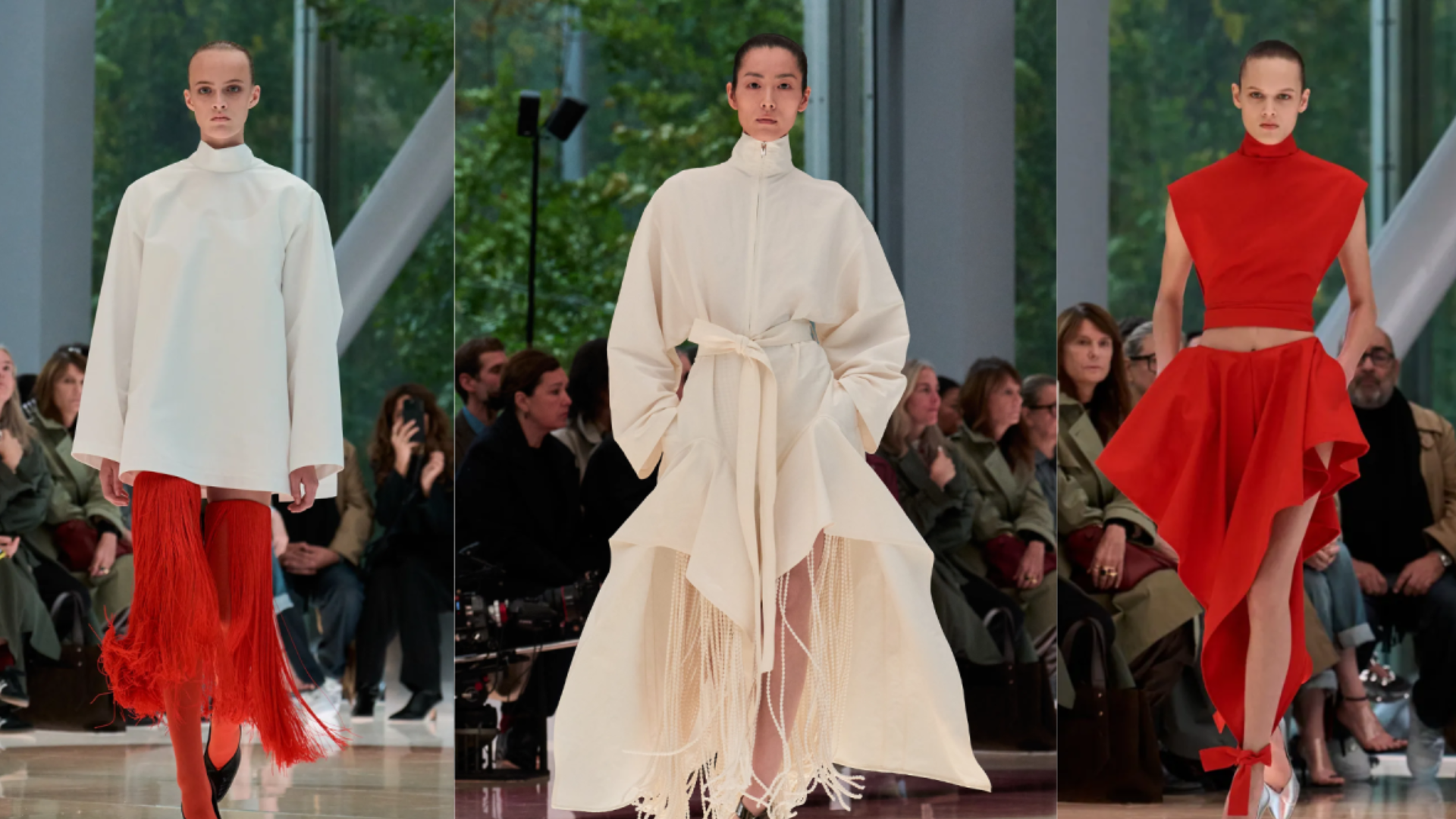
Maison Alaia Spring 2026 Ready-to-Wear Collection
What’s Within Reach for Emerging Fashion Labels
In earlier eras of fashion, incubators and accelerator programs played a central role in helping designers move from concept to consumer, offering educational resources, industry access, and early-stage support. However, many designers were limited to the opportunities immediately available to them, often relying on the same small pool of partnerships and networks shared across the industry.
Today, emerging fashion designers have access to a broader—and more visible—set of opportunities. Awards and institutional support have become powerful growth catalysts, with organizations such as the CFDA (Council of Fashion Designers of America) playing a critical role in identifying and elevating rising talent across womenswear, menswear, jewelry, and accessories. Beyond recognition, the CFDA provides business-focused workshops, professional development resources, grants, and mentorship designed to support long-term brand building.
On a global scale, the LVMH Prize has emerged as one of the most influential platforms for independent designers, offering a €400,000 endowment alongside executive-level mentorship from one of the world’s leading luxury conglomerates. These programs not only provide capital, but also credibility, access, and strategic guidance at pivotal moments of growth.
In parallel, fashion PR and creative communications agencies—such as PURPLE PR, Spring Studios, Karla Otto, and KCD—remain key players in shaping brand visibility and cultural relevance. Historically, these agencies have prioritized established brands with significant capital, often offering support in siloed areas such as press, events, or runway experiences. While valuable, these partnerships alone are rarely designed to address the full scope of an emerging brand’s growth challenges.
Looking Ahead: The New Path To Fashion Brand Growth
The next phase of fashion brand growth demands a broader, more strategic perspective. Brands must adopt a holistic, 360-degree approach—one that aligns luxury product development, brand positioning, and business operations under a single, cohesive strategy. When these elements operate in isolation, growth becomes fragmented. When they are aligned, brands gain clarity, control, and the ability to scale with intention.
This integrated approach allows emerging luxury brands to make better decisions across merchandising, pricing, distribution, marketing, and operations—ensuring that creativity is supported by commercial discipline, and that growth is both sustainable and profitable. In today’s market, the brands that endure are not the loudest or the fastest, but the ones built with structure, alignment, and long-term vision.
Stronger & Leaner Seasonal collections Emerging Designers should take a sharper and more intentional approach to collection building. Tighter seasonal edits anchored in signature pieces, strong wardrobe architecture, and seasonless items that reinforce the brand’s codes. This means fewer SKUs, higher purpose, and a move away from the constant churn of producing newness for the sake of relevance. Instead, collections evolve through slow, steady refinement—pieces with longevity, emotional pull, and true wearable relevance that still demonstrate strong luxury craft.
Clear Brand Philosophy & Positioning: In a crowded luxury landscape, designers need a point of view that is unmistakable. Emerging luxury fashion brands must refine their brand philosophy so it becomes the foundation of everything: silhouettes, construction details, casting, world-building, and visual storytelling. This positioning moves beyond aesthetics. It must be cultural, consistent, and commercially resonant, carried across every channel. When the brand philosophy is clear, the brand becomes instantly recognizable — and impossible to replicate.
A grounded luxury business model: Today’s emerging designers cannot rely on legacy models built for scale and speed. Having a business framework that stays true to luxury while evolving how modern designers grow: stronger client experiences, selective wholesale partnerships, community-driven or specialty retail, and measured expansion rather than rapid scaling. This model prioritizes healthy margins, operational clarity, and a balanced approach to creative and commercial output — ensuring collections sell, revenue grows, and the brand remains protected.
Engaging New External Partnerships
For decades, luxury fashion brands have relied on PR as a primary external partner. Regardless of stage, PR has served as a trusted mechanism for reputation management, narrative control, and image-building—particularly within the luxury sector, where exclusivity, desirability, and cultural positioning are essential. This has traditionally included runway and fashion week activations, brand partnerships, events, and media visibility designed to shape perception and build trust with key audiences.
While these efforts remain valuable, they are largely front-facing. PR alone rarely interrogates the internal and structural drivers that ultimately determine a brand’s longevity—such as seasonal collection performance, margin health, operational alignment, or the strength of the underlying business model.
As the industry evolves, we are seeing the rise of more integrated advisory and brand management partnerships that take a fundamentally different approach. These partnerships focus on the full 360° fashion business—extending beyond traditional PR and marketing to address how creative vision, commercial strategy, and operations work together to build lasting brand equity.
For brands in the early to emerging growth phase, this shift is becoming essential. Growth can no longer be supported by siloed efforts. What’s required is a strategic fashion advisory or brand management partner that evaluates seasonal collections, brand positioning, and business structure holistically—aligning creativity with commercial discipline to support sustainable, long-term growth.
We work closely with fashion founders as an extension of the brand—reducing the need for fully scaled teams and fragmented agency structures. Acting as a strategic partner to independent fashion brands, we sharpen creative judgment, strengthen instinct, and elevate decision-making across the entire brand ecosystem.
Sharper Creative–Commercial Perspective: Independent analysis that balances brand codes with commercial performance, reducing blind spots across collections.
Studio & Leadership Alignment: Brings creative direction, merchandising, marketing, and business development into one synchronized rhythm.
Equity & House Codes Protection: Ongoing evaluation that safeguards signatures, narrative cohesion, and luxury positioning.
Sustained Cultural Relevance: Ensures the brand remains desirable season after season while strengthening long-term value and desirability in the luxury fashion landscape.
