
Data-Driven Strategy in Luxury Fashion
Today’s luxury fashion brands remain deeply creative and instinctive. When a seasonal collection is released, consumers see the trims, the narrative across ready-to-wear or couture, and how the pieces fit within their own lifestyles. Consumers will often follow creative director transitions closely; they want reassurance that they can continue to wear the brand they trust and that its direction remains aligned with their loyalty and expectations. As a designer or fashion executive determining what ever-changing consumers want increasingly requires more than instinct alone. The most effective path forward has been the industry’s growing embrace of intelligence.
In recent years, the value of luxury fashion brands came into question amid significant price increases. Between 2022 and 2024, more than 50 million aspirational customers exited the luxury market, creating space for a wave of independent brands offering more accessible interpretations of luxury. At the same time, consumer expectations have become increasingly complex. Personalization, immersive experiences, digital integration, transparency, and value alignment now shape how customers interact with luxury. Instinct, while still essential, is no longer sufficient to guide strategic decision-making.
Moving forward, the industry requires a balanced approach— where creativity works in tandem with both qualitative and quantitative intelligence. When these forces operate together, brands are better positioned to meet business objectives, reach evolving audiences, and understand how consumers engage with luxury fashion today and in the future.
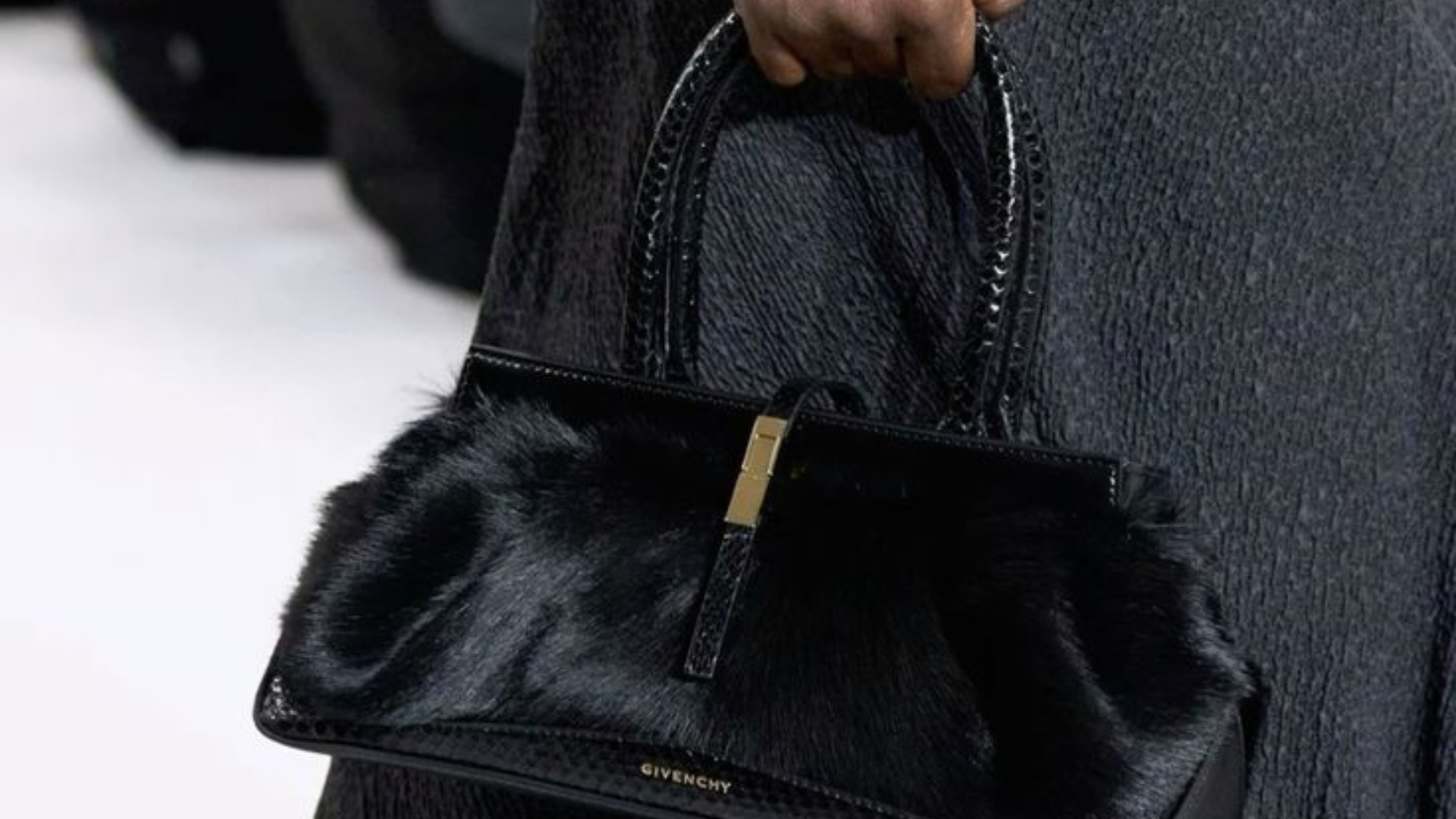
Givenchy
Moving from Creative Instinct to Strategic Decision-Making
Creative instinct has always driven the artistic core of luxury fashion. Creative directors and independent designers are expected to understand what their clients desire, carefully balancing art with commerce. Historically, this balance has never been easy. Yet technologically, the industry has become significantly more advanced especially with the rise of AI.
Today, both legacy and independent luxury fashion brands increasingly rely on analytics platforms such as Lefty Data and Launchmetrics, which assign measurable value to publicity and cultural visibility. These platforms evaluate how brands integrate with culture through celebrity campaigns, front-row placements at runway shows, and broader influencer engagement. Metrics such as Earned Media Value (EMV) estimate the monetary worth of organic attention generated through influencers, celebrities, and customer interactions. They quantify brand awareness by measuring social media shares, likes, comments, and mentions surrounding key moments such as runway presentations or brand activations.
Evolving measurements, including Media Impact Value (MIV), take these insights even further. Unlike EMV, which focuses primarily on engagement, MIV aims to evaluate deeper return-on-investment indicators. These metrics support stronger decision-making around campaigns, strategic placements, and visibility generated through celebrity and influencer partnerships. As a result, brands are able to refine which cultural moments and marketing strategies are truly worth the investment.
Importantly, data in luxury should be understood as a refinement tool rather than a replacement for creativity or a compromise to a brand’s DNA. For decades, the industry feared that scale and analytics could dilute luxury’s emotional and human dimension. Today’s leading brands have learned to use intelligence selectively—enhancing strategic clarity without sacrificing desire or aspiration.
Brand Stewardship Balancing Intelligence and creativity
Brand stewardship in luxury fashion is an ongoing discipline—particularly for independent brands navigating a legacy-endowed industry. Established luxury houses often have access to extensive executive infrastructure, including advanced data tools, research teams, and consumer psychologists who help inform decision-making. Independent designers, by contrast, frequently rely more heavily on instinct without the same strategic support systems.
Working alongside brand management partners helps bridge this gap. Stewarding a brand’s operations—and how it shows up in the market—requires the ability to track performance, integrate intelligence, and pivot when necessary while protecting long-term brand growth.
At Lord and Partners, we translate business objectives into measurable insights while safeguarding brand equity. Intelligence helps strengthen key areas of the business through:
Performance tracking through comprehensive brand growth audits, gathering analytics across product performance, brand visibility, and overall business health.
Product assortment insights identifying opportunities within collections and evolving demand patterns.
Brand marketing strategy development informed by data insights, identifying organic opportunities to grow brand communications, strengthen owned channels, and refine market positioning.
Revenue growth opportunities guided by performance data to support sustainable growth and build long-term, investment-ready brands.
To learn more about data-driven brand tracking, schedule a complimentary consultation to explore our fashion brand management services.
