
Elevating Marketing & Communications in Luxury and Prestige Beauty
Luxury and prestige beauty brands require a far more strategic and elevated approach to marketing and communications than traditional beauty brands. Every consumer touchpoint, from social media and email to e-commerce, press, retail environments, and campaign visuals, must clearly communicate the brand’s value, positioning, and identity.
Today’s consumers are not simply purchasing products; they are investing in experience, trust, lifestyle, and brand perception. From discovery to acquisition, brands must create a seamless and refined journey that strengthens consumer confidence and emotional connection.
Much like luxury fashion, where collections are supported through campaigns, events, editorial placements, and strong visual storytelling, beauty brands must strategically launch products through compelling narratives, founder expertise, ingredient transparency, brand collaborations, and culturally relevant marketing moments.
As advertising costs and customer acquisition continue to rise, organic and brand-led marketing strategies are becoming increasingly important. The methods of growing a brand across multiple channels, keeping pace with evolving consumer demands, and leveraging new AI developments that can help reduce creative and advertising expenses are becoming critical considerations for beauty brands. As marketing strategies continue to evolve, they must be more closely aligned with sales objectives, direct consumer data collection, product innovation, and overall business growth.
Because branding, marketing, communications, and consumer experiences often represent some of the largest areas of investment for beauty brands, founders and executives must navigate a variety of factors when developing a marketing and communications strategy—particularly when operating within the luxury and prestige segment of the industry:
Anchored Brand Positioning
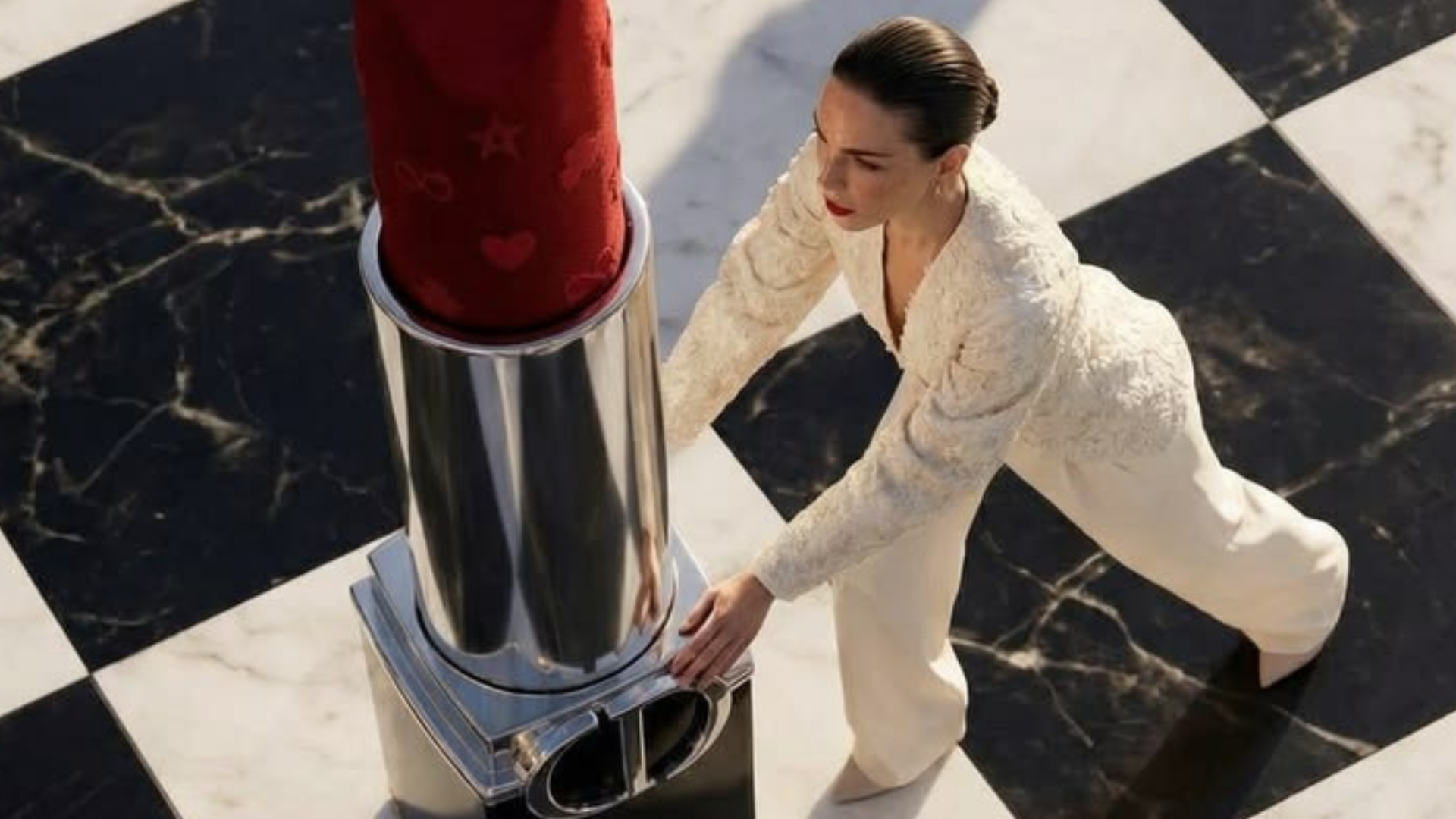
One of the most important priorities for a luxury and prestige beauty brand is establishing a clearly defined position within the market. While luxury is often associated with premium pricing and elevated products, there are already countless high-end beauty brands competing within the space, making differentiation essential. Strong brand positioning goes far beyond the price point; brands must clearly understand what they stand for, the perspective they bring to consumers, and the emotional connection they want to create. Whether positioned around wellness and ritual, scientific innovation and clinical efficacy, cultural influence, fashion, travel, art, or founder expertise, the strongest luxury beauty brands are built around a distinct story, world, and identity that separates them from the broader market. Before developing marketing campaigns, brands must first define what makes them unique and why consumers should connect with the offering over competitors. Once positioning is established, all content and communications should consistently reflect that identity across campaigns, social media, e-commerce, visuals, partnerships, and press. Consistency in messaging and visual storytelling helps consumers immediately recognize the brand’s value, strengthens overall perception, and creates a clearer distinction within the luxury beauty landscape.
Articulating Brand Value Clearly
Today’s consumers are looking for transparency, trust, product knowledge, and a deeper understanding of what makes a brand worth purchasing. While scientific innovation, ingredient education, and product performance remain important, brands must present that information in a way that feels clear, compelling, and easy to understand rather than overly technical or overwhelming. Strong communication starts with understanding the consumer and knowing what matters most to them throughout every stage of their journey with the brand. Messaging should not be mundane, it should remain consistent across all touchpoints, especially digital channels where attention spans are short and consumers are constantly exposed to competing brands. Every campaign, caption, visual, and piece of content should reinforce a recognizable message that anchors the brand’s identity and value in the consumer’s mind. Brands should also focus on educating consumers on how products are experienced and incorporated into their lifestyle, whether through skincare routines, application techniques, fragrance layering, ingredient storytelling, craftsmanship, testimonials, or visible product results. One of the most challenging yet high-performing categories requiring stronger implementation in this area is fragrance. Because scent cannot be physically experienced online, visuals, storytelling, mood, and emotional branding become essential in helping consumers imagine, connect with, and trust the product experience.
Right Consumer, Rich Channels
One of the most common mistakes luxury and prestige beauty brands make is attempting to market to everyone rather than developing a clear understanding of their ideal consumer. While beauty is naturally inclusive, strong brands still require a defined audience. For example, a prestige cosmetics brand may launch with an inclusive shade range, but without clarity around the type of woman the brand is truly speaking to, the marketing can quickly become diluted. Brands must understand who their consumer is beyond demographics alone. Is she driven by clean ingredients and wellness? Does she value artistry, minimalism, status, or high-performance formulas? A niche fragrance house such as Byredo succeeds not simply because of the scent itself, but because it has built a distinct world and aesthetic around a culturally aware, design-driven consumer who values identity, storytelling, mood, and artistic expression. Once a brand understands its consumer, it must then meet them through the right channels and content formats. The effectiveness of marketing depends heavily on whether the brand’s message is reaching consumers in the environments where they naturally engage and discover products. Brands that fail to align their content with the right platforms risk wasting both time and marketing investment. Equally important is understanding what type of content performs natively on each platform, whether that is short-form storytelling, educational beauty content, founder-led narratives, aspirational visuals, or community-driven engagement.
Selective Influencer and Tastemaker Partnerships
While mass and masstige beauty brands often rely heavily on influencer marketing and large-scale user-generated content strategies to maximize visibility and reach, luxury and prestige beauty brands must take a far more intentional and selective approach in how influencers and UGC are integrated into the brand ecosystem. Within luxury, excessive creator-driven content or overly saturated social feeds can quickly dilute exclusivity, making a brand feel overly accessible rather than aspirational.
When executed thoughtfully and in alignment with the brand’s positioning, influencer marketing and UGC can still be highly effective tools for building trust, credibility, and organic visibility. Rather than prioritizing mass creator engagement, brands should focus on trusted voices whose expertise naturally aligns with the category, including skincare professionals, makeup artists, scientists, estheticians, dermatologists, perfumers, and culturally relevant tastemakers who elevate perception and strengthen consumer confidence. For many independent brands without significant celebrity budgets, strategic seeding remains one of the most effective approaches. Sending products organically to the right individuals allows authentic reactions, word-of-mouth visibility, and trusted product discovery to develop more naturally. Luxury packaging, elevated unboxing experiences, and thoughtful presentation also become important extensions of the storytelling process, helping consumers and creators emotionally connect with the brand while reinforcing premium perception.
Utilize Brand Marketing for Organic Growth
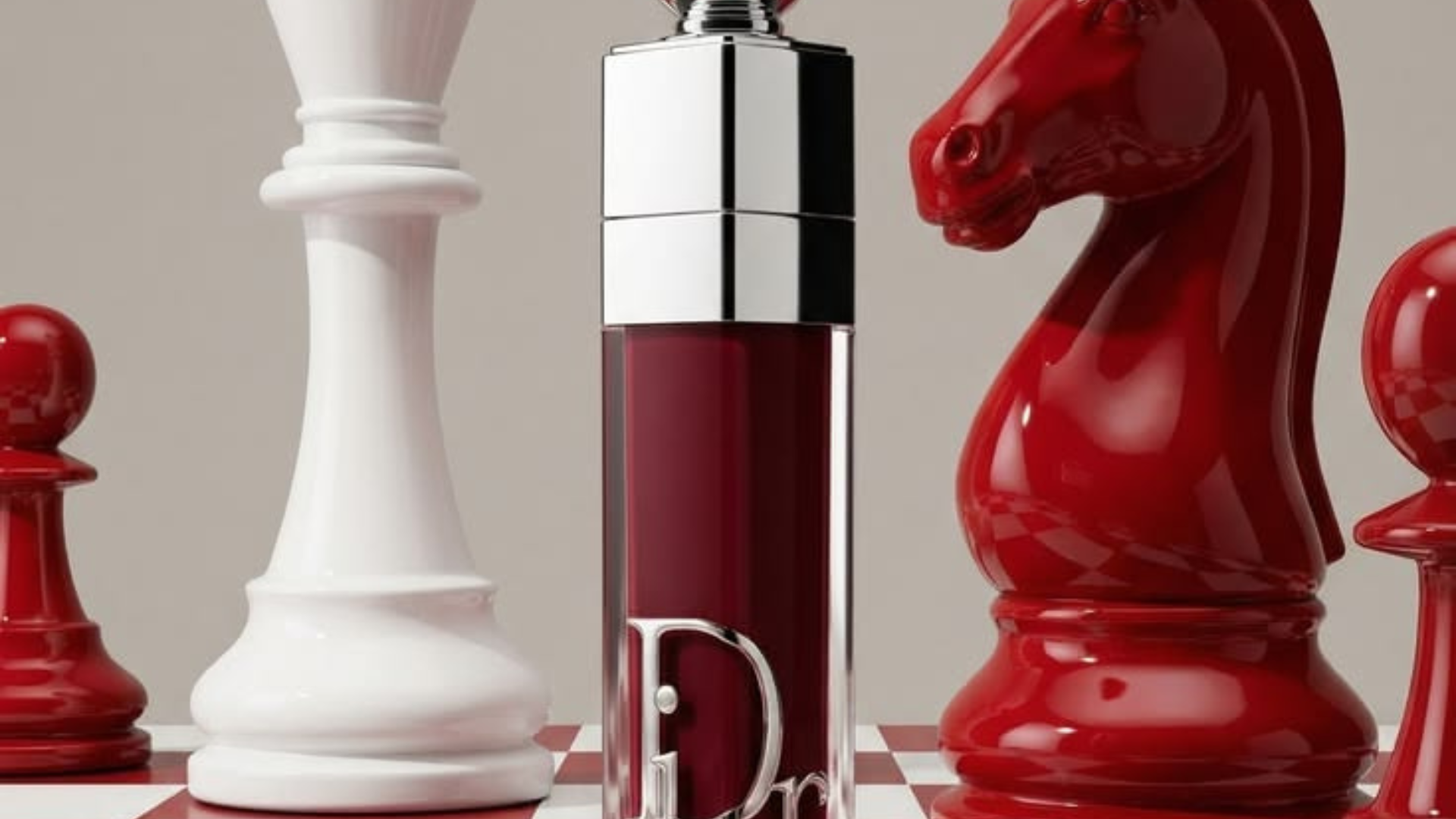
As customer acquisition costs through paid advertising continue to rise, brands are placing greater importance on brand marketing and organic growth strategies that build long-term consumer trust, visibility, and loyalty. Strong organic growth is driven through consistent storytelling around the brand’s positioning, immersive digital and physical touchpoints, strategic press opportunities, and culturally relevant partnerships that strengthen brand perception over time. Organic traction has also become an important indicator for investors, as it reflects genuine consumer interest, community engagement, and the ability for a brand to build demand beyond paid performance marketing alone. Building a strong brand presence requires far more than simply promoting products. Cohesive social media ecosystems, aspirational visuals, elevated CGI-driven campaigns, founder storytelling, and strong cultural integration all work together to create a brand world consumers want to engage with and feel connected to. Strategic collaborations across hospitality, fashion, wellness, and entertainment further strengthen cultural relevance and visibility through backstage partnerships, luxury hospitality alignments, exclusive events, personalized services, and appointment-driven activations. Sharing these moments not only elevates brand perception, but also invites consumers into a lifestyle and experience that extends far beyond science, creating stronger relationships.
PR as a Supporting Layer, Not the Core Strategy
The beauty industry is highly creative and commercially driven, but many brands still rely too heavily on one-off campaigns, hype moments, and short-term PR visibility without building a long-term brand narrative. PR remains a strong tool for securing placements in leading publications, industry events, and building credibility, but consumer behavior is increasingly shifting toward influencers, digital discovery, and community-led validation. In early-stage brand building, PR can support awareness and legitimacy, especially for founders seeking panels, press features, and authority positioning. However, stronger brands prioritize owned platforms, organic community building, and consistent storytelling they fully control. When this foundation is in place, PR becomes far more effective as an extension of the brand rather than the core driver. Over-reliance on PR can limit strategy and weaken direct consumer connection, making it essential that PR supports brand experience and long-term growth rather than defining it.
Strategic Adoption of AI and Emerging Technologies
AI has quickly become one of the most significant tools reshaping how beauty brands approach marketing and communications. While many companies are exploring AI as a way to improve efficiency and reduce creative production costs, luxury and prestige brands are adopting these technologies with greater intention, ensuring innovation remains aligned with brand equity and consumer expectations.
Fragrance, in particular, presents a compelling opportunity. Because scent is inherently difficult to communicate through digital channels, AI-generated visuals can help bring a fragrance story to life through cinematic environments, immersive landscapes, and imaginative visual worlds that capture the emotion of a scent. These capabilities allow brands to create high-impact creative assets without the substantial investment often required for traditional production sets and campaign shoots.
Beyond content creation, AI is increasingly influencing other consumer touchpoints, including product discovery, search visibility, virtual try-on experiences, personalization, and client engagement. When thoughtfully integrated, these technologies can strengthen the customer journey while supporting a more efficient and effective marketing and communications strategy.
Tracking Performance & Making Data-Driven Decisions
Beauty brands must rely on data-driven decision-making to understand what is working, what is not, and where to optimize across the full consumer journey. This goes beyond intuition or creative direction, combining both qualitative feedback and quantitative performance metrics to build a complete view of brand health. Understanding customer sentiment, tracking behavior across touchpoints, and analyzing how consumers interact with content, products, and messaging is essential for refining strategy in real time.
Strong measurement includes monitoring traffic, conversion rates, retention, and abandoned carts, alongside broader indicators such as earned media value, cultural relevance, press performance, consumer sentiment, and retail versus DTC sales metrics. Each channel, campaign, and storytelling approach should be evaluated based on its ability to resonate with consumers, drive conversion, and contribute to overall brand growth.
With advanced tools and dashboards such as Launchmetrics, Circana, and Dash Social, brands are increasingly able to connect marketing and communications activity directly to business performance and revenue outcomes, ensuring decisions are supported by clear, actionable insights. Ultimately, data should serve as the foundation for future marketing and communications strategies, helping brands allocate resources more effectively toward the channels, messages, and experiences that deliver the greatest impact.
Through a comprehensive brand management approach, strategy and execution work hand in hand across monthly, quarterly, and annual planning cycles to ensure these marketing and communications priorities are effectively implemented across the business. For luxury and prestige beauty brands, success often requires a more intentional approach—one that prioritizes thoughtful collaborations, elevated brand experiences, and disciplined growth strategies. Equally important is maintaining clear visibility into performance, ensuring efforts are directly connected to revenue growth, brand equity, and the long-term trajectory of the business.
