
Distribution Strategies for the Luxury & Prestige Beauty Sector
As Sephora and Ulta continue to remain major retail milestones for many beauty founders due to their global visibility, massive scale, and high-volume revenue potential, there are also significant operational and financial realities that come with entering these environments. While mentorship programs, accelerator opportunities, and broad consumer exposure can create powerful growth opportunities, rapid expansion into large-scale retail often places immense pressure on independent beauty brands—especially within the luxury and prestige beauty space.
The more doors a brand enters, the more operationally structured, financially prepared, and strategically aligned it must become. If not approached carefully, this level of expansion can create severe financial strain, loss of brand control, margin pressure, inventory challenges, and weakened positioning. For luxury and prestige beauty brands specifically, massive retail footprints are not always aligned with how these brands are meant to scale.
In many cases, large retail environments can push highly specialized or niche brands to broaden their appeal too quickly, often diluting the unique product offering, brand identity, and exclusivity that made the brand desirable in the first place. As a result, many independent luxury and prestige beauty brands are beginning to rethink traditional retail expansion strategies and pursue a more selective distribution approach that better aligns with their long-term positioning.
Rather than prioritizing broad accessibility, this new wave of prestige beauty brands is focusing on creating intimate, elevated, and highly curated experiences that help justify premium price points while building stronger emotional connection and multi-sensorial engagement beyond direct-to-consumer alone.
Here are several distribution strategies independent luxury and prestige beauty brands are leveraging as they scale more intentionally and effectively:
Strengthen DTC
Direct-to-consumer remains one of the first and most essential touchpoints for all beauty brands, allowing founders to collect valuable customer data, build stronger communities, and deeply understand how consumers shop, engage, and interact with the brand. Establishing strong DTC foundations first creates greater control around pricing, positioning, and overall brand presentation before expanding into third-party distribution. A key part of this strategy includes strong digital discoverability, social media top-of-funnel strategies, and community-driven engagement that build awareness and demand before entering broader retail channels.
Many independent beauty brands spend the first 3–4 years strengthening DTC prior to retail expansion. A strong example is Drunk Elephant, which launched as a DTC skincare brand in 2013, built a cult following, later expanded into Sephora in 2015, and was eventually acquired by Shiseido for $845 million. This reinforces the reality that distribution growth within luxury and prestige beauty is most effective when approached with discipline and intention. Establishing a strong foundation, cultivating demand, and expanding selectively often contribute more to long-term brand equity than aggressive market penetration.
As a natural extension of a strong DTC and digital-first strategy, brands can further deepen ownership through owned physical spaces, further strengthening the customer experience. A brand’s own physical touchpoints serve as a direct extension of its online ecosystem, reinforcing omnichannel presence and direct customer engagement.
After all, beauty is a highly sensory category, and without meaningful consumer engagement, even the strongest brands can become lost in an increasingly crowded marketplace. When digital demand and consumer loyalty are strong enough, physical retail can evolve from a strategic brand-building initiative into a meaningful growth driver — as seen with Jo Malone London, which translated early brand momentum into its first boutique on Walton Street in London in 1994, long before expanding into Sephora.
There is value in luxury and prestige beauty brands cultivating exclusivity and newness in-house first — keeping concepts, products, and customer experiences within their own environment before expanding into third-party distribution.
Emerge into Selective Retail (Curated Visibility)
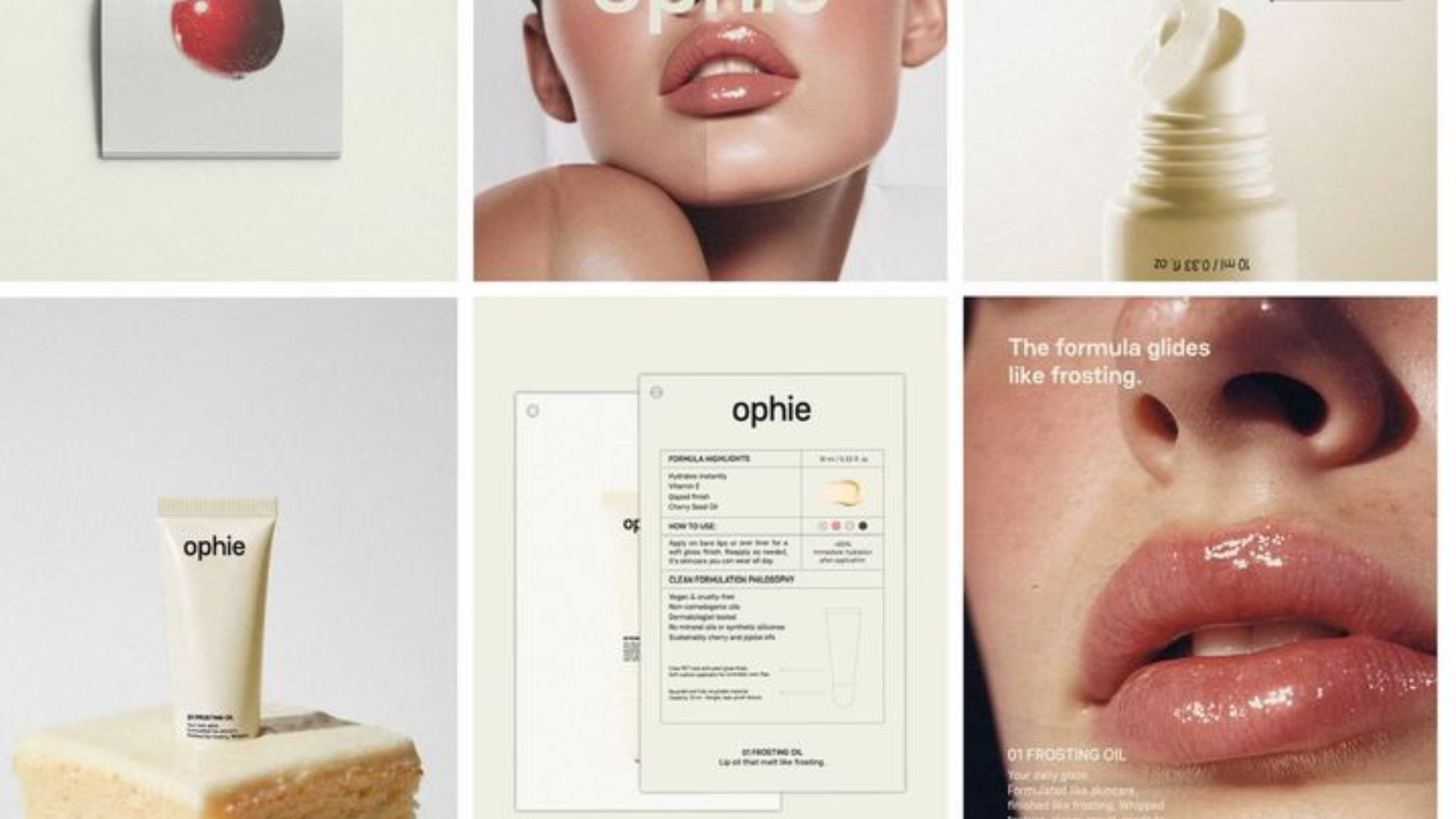
As beauty retail continues to evolve, luxury and prestige brands are increasingly moving beyond traditional retail environments toward curated, service-led channels that deepen consumer engagement.
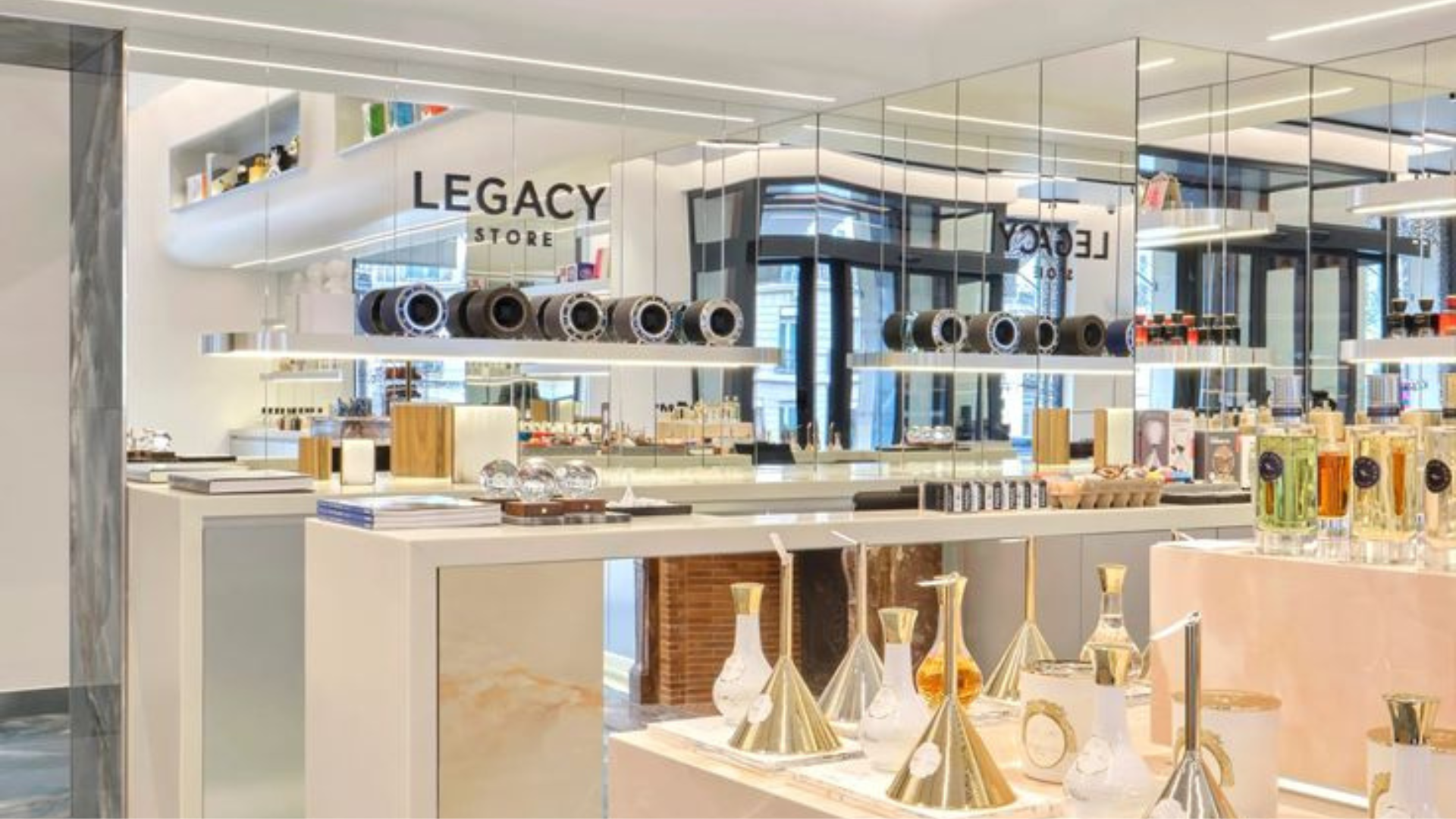
Specialty retailers such as Bluemercury, Cos Bar, and Violet Grey demonstrate how curated assortments and elevated service models can strengthen loyalty through intimacy and trust rather than volume-driven exposure. These types of distribution partnerships offer more experienced guided education around products and often partner it through stronger consultative style expert-led demonstrations without the stress of moving fast past department stores of beauty behemoths like Ulta or Sephora.
At the same time, results-oriented environments such as medical aesthetics practices remain a powerful channel for brands aligned with performance-driven beauty, where professional endorsement and treatment-based usage can accelerate credibility and conversion. Hospitality settings—including luxury hotels, members’ clubs, and high-end fitness spaces—further extend this model by embedding beauty products into broader lifestyle ecosystems, reinforcing brand presence through repeated, experiential touchpoints.
Controlled Scaling
Luxury and prestige beauty brands should approach product expansion selectively rather than overextending assortments too quickly across multiple retail channels. Limited launches, curated collections, waitlists, and retailer-exclusive drops help maintain desirability while protecting long-term brand equity and pricing power. Similar to luxury fashion, scarcity within beauty creates anticipation, emotional urgency, and stronger perceived value around the product. Independent prestige brands like Westman Atelier have successfully maintained elevated positioning through tightly edited assortments, intentional product launches, and controlled retail distribution rather than oversaturating the market with excessive SKU expansion. This strategy allows brands to preserve exclusivity, strengthen demand, and keep hero products feeling aspirational and collectible rather than overly accessible.
Global Expansion Through Key Luxury Markets
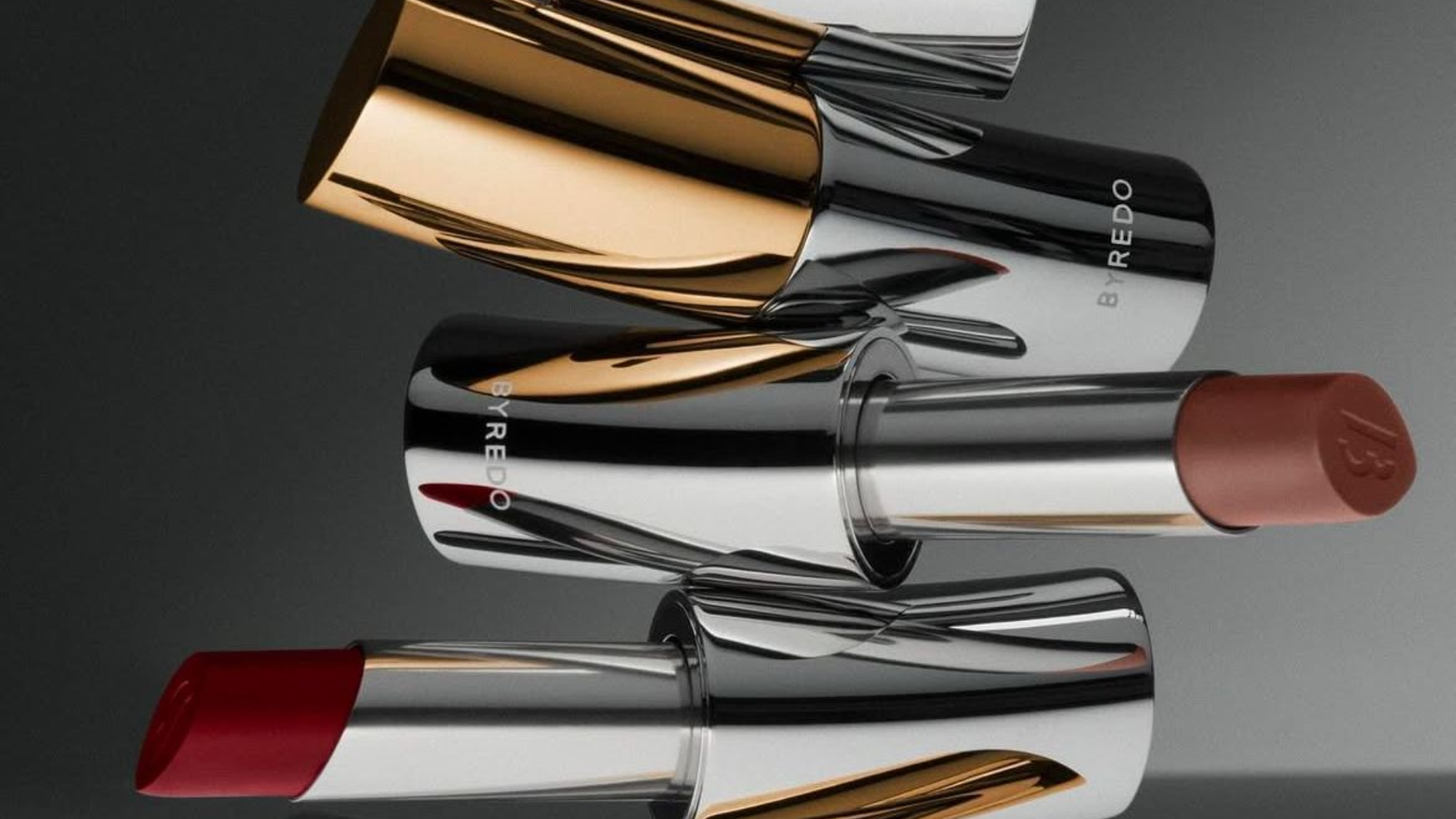
Rather than pursuing aggressive mass expansion too early, luxury and prestige beauty brands should scale intentionally through key luxury-driven markets that naturally align with their target consumer, pricing structure, and brand positioning. Cities such as New York, Paris, London, Seoul, and Dubai continue to operate as influential beauty and luxury hubs where consumers are highly engaged with prestige skincare, wellness, fashion, and experiential retail. Independent beauty brands like Byredo expanded globally by first strengthening cultural positioning within fashion-forward cities and selective retail environments rather than prioritizing broad mass distribution.
Similarly, Aesop built long-term global brand equity through highly intentional retail placement, architecture-driven stores, and selective international expansion into culturally aligned luxury markets. This type of expansion strategy allows prestige beauty brands to build stronger brand perception, maintain exclusivity, and create deeper resonance within markets that naturally support luxury consumer behavior before scaling more broadly.
Clarity around distribution strategy is essential for independent beauty founders, especially within the luxury and prestige space where scaling requires a more differentiated and intentional approach. Through strategic advisory and beauty brand management partnerships, brands gain greater clarity on how, when, and where to grow while ensuring distribution decisions remain aligned with long-term brand positioning, consumer experience, and business objectives.
Learn more about how Lord and Partners helps luxury and prestige beauty brands develop comprehensive growth strategies, refine distribution approaches, strengthen market positioning, and scale with intention—ensuring every stage of growth supports long-term brand equity and business success.
