
Luxury and Prestige Beauty Consumers: Values and Engagement
Beauty consumers no longer follow a linear path from awareness to purchase. In luxury and prestige beauty, the consumer journey is increasingly fragmented, shaped by digital discovery, social influence, cultural relevance, brand perception, and personal identity. Purchasing decisions are no longer driven solely by product efficacy; consumers evaluate brands through a broader lens that includes values, lifestyle alignment, experience, and emotional connection.
As the beauty market becomes increasingly crowded with new brands, product innovations, and high-performing alternatives, consumers have more choices than ever before. The rise of dupes and value-driven products has heightened scrutiny around pricing, requiring luxury and prestige beauty brands to clearly communicate the value behind their premium positioning. Consumers increasingly expect a strong connection between product performance, brand equity, and the overall brand experience before investing in higher-priced products.
At the center of this shift is the luxury beauty consumer—a demographic that is often more financially established, lifestyle-oriented, and intentional in its purchasing behavior. Unlike consumers who are primarily motivated by trend cycles, viral products, or affordability, luxury beauty consumers tend to prioritize consistency, quality, trust, and long-term value. Their purchasing decisions are frequently influenced by how well a brand aligns with their personal standards, routines, aspirations, and sense of identity.
This distinction is particularly important as younger consumers continue to engage with prestige beauty through aspirational purchasing. While many Gen Z consumers participate in prestige categories, their behavior is often characterized by experimentation, product discovery, and value-seeking. Luxury consumers, by comparison, are generally more selective and deliberate, placing greater emphasis on brand meaning, credibility, and the overall experience surrounding the product.
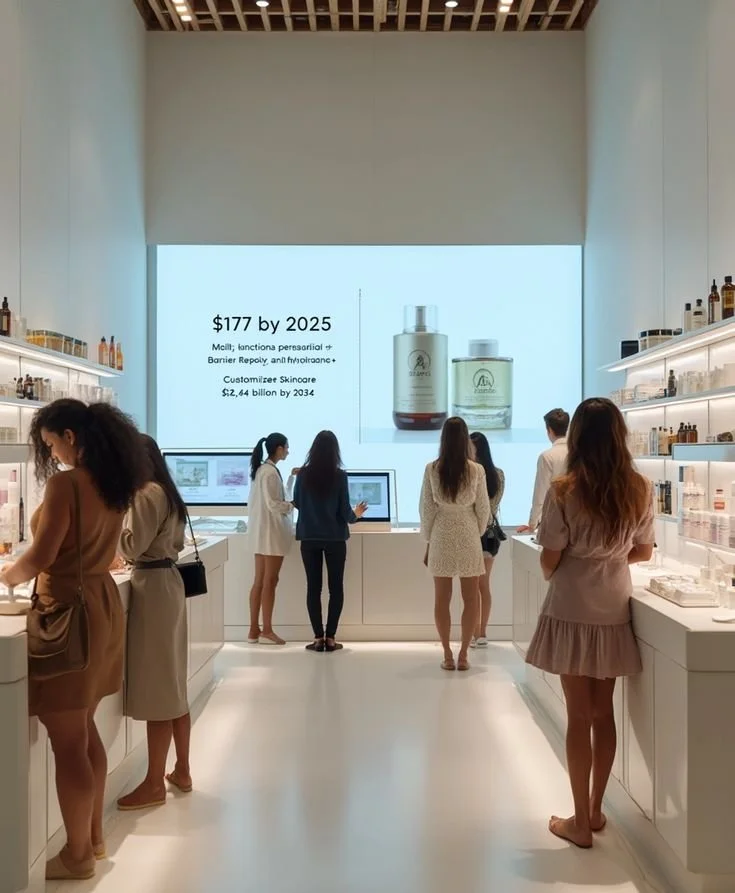
For luxury and prestige beauty brands, the challenge goes beyond awareness or initial conversion. Building lasting relationships requires sustained relevance, trust, and emotional resonance. While product performance is essential, it is rarely enough on its own to secure loyalty in a highly competitive market where discretionary spending is more selective. Beauty purchases are shaped by a mix of function, aspiration, self-expression, and status. Established luxury houses such as Gucci and Dior benefit from decades of cultural equity that reinforce desirability, while independent brands often require stronger differentiation, repeated exposure, and deeper trust before long-term loyalty is achieved.
Understanding these behavioral differences is essential for founders and brand leaders. Not every beauty consumer represents the ideal customer for a luxury or prestige brand. Success within the category depends on identifying and serving consumers whose purchasing decisions are driven by quality, experience, identity, and long-term value rather than short-term trends or price-led alternatives. Brands that successfully connect product performance with compelling brand meaning are best positioned to deepen engagement, strengthen loyalty, and sustain relevance over time.
Here are the key luxury consumer insights and engagement factors brands should keep in focus:
Performance & Ritual: Performance is non-negotiable, but it is rarely experienced in isolation from ritual. Consumers in this space evaluate efficacy through both measurable results and the lived experience of using the product over time—how it textures, layers, absorbs, and integrates into daily routines. There is a heightened expectation for formulations that support long-term skin health, resilience, and visible improvement, often within broader wellness frameworks that prioritize prevention and maintenance over short-term correction. At the same time, ritual has become a defining part of value perception. From sensorial application and fragrance layering to structured skincare sequences inspired by practices such as K-Beauty, consumers increasingly view beauty as a disciplined yet indulgent form of self-care. Whether addressing specific concerns like aging, hydration, or sensitivity, or simply enhancing how the skin feels throughout the day, luxury beauty sits at the intersection of clinical efficacy, wellness behavior, and emotionally grounding daily ritual.
Strong Multi-Sensory Experiences: Beyond isolated touchpoints through pop-ups or traditional retail, luxury and prestige beauty consumers are drawn to brands that construct a complete, immersive world around the product itself. Engagement is no longer transactional—it is experiential, with personalization, elevated service, expert-led consultations, and exclusive treatments shaping how the brand is perceived and remembered. Across spa environments, fragrance rituals, hospitality partnerships, private appointments, and tailored skincare protocols, the expectation is not just product interaction but full sensory immersion. Consumers are increasingly seeking experiences that translate the brand into a lived atmosphere—where texture, scent, environment, and service converge—rather than a product they simply purchase.
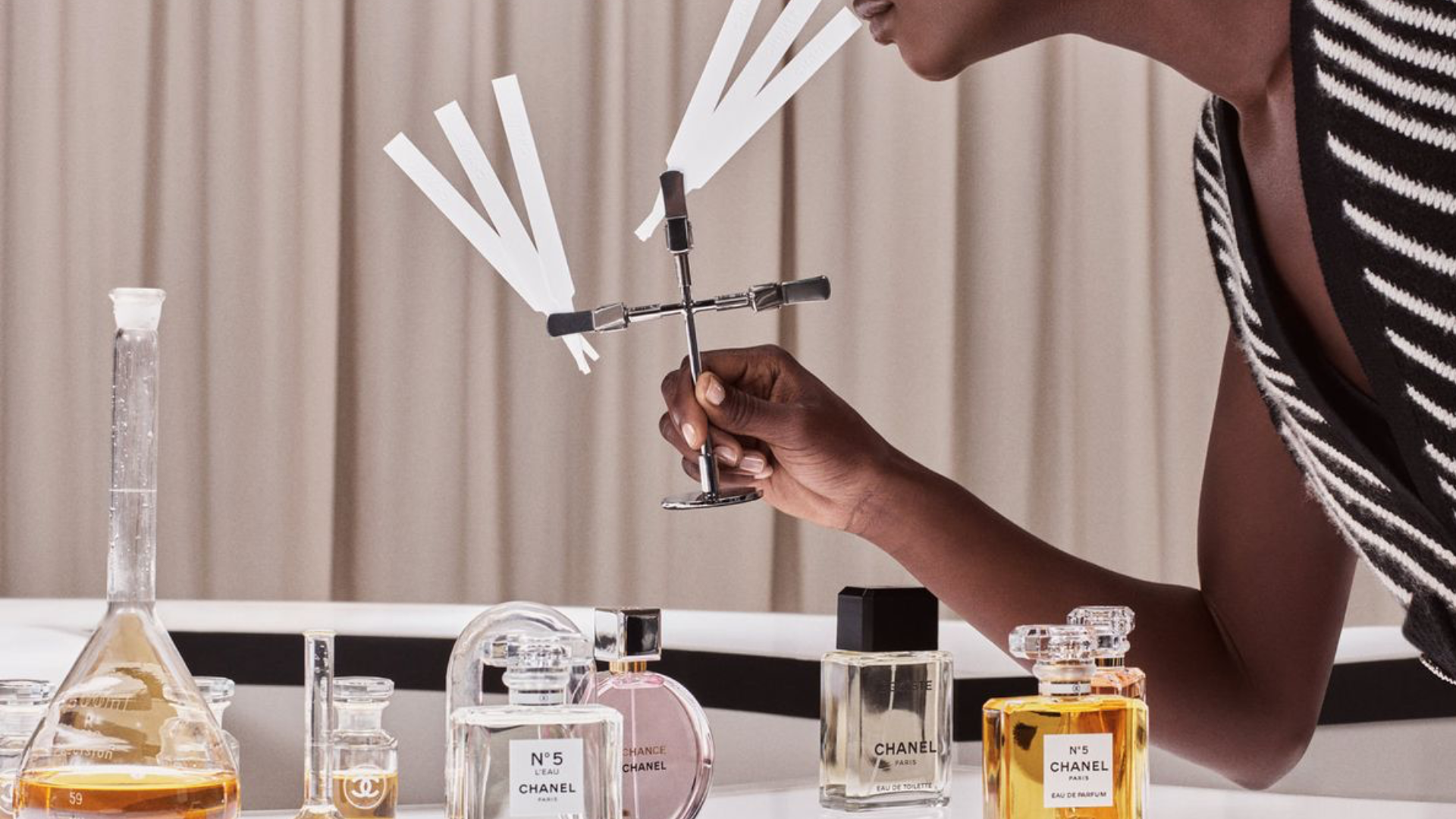
Trust & Transparency: Luxury and prestige beauty consumers are becoming far more discerning around what feels credible versus overly commercialized. They are drawn to brands that demonstrate substance through formulation quality, sourcing, craftsmanship, founder perspective, and a clear point of view rather than excessive marketing or overtly scientific language. Education still matters, but consumers want to understand the intention behind the product, the philosophy behind the brand, and why it deserves a place within their lifestyle and routines.
Value-Based Pricing: The continued growth of mass and masstige beauty has increased consumer scrutiny around price and value, particularly within skincare and makeup. Luxury and prestige beauty consumers, many of whom fall within higher-income and high-net-worth demographics, are not immune to this shift. Regardless of purchasing power, consumers increasingly evaluate whether a product's benefits justify its premium price point. As consumers become more informed and comparison-driven, they are assessing what differentiates a $100 serum from a $40 alternative, whether product performance is meaningfully superior, and if the brand's credibility, innovation, and overall experience warrant the additional investment. If consumers cannot clearly identify the value behind the premium, they are increasingly willing to explore dupes, masstige offerings, or lower-priced alternatives that promise comparable results. For luxury and prestige beauty brands, value-based pricing therefore extends beyond the product itself and requires a clear articulation of why the offering deserves its place within a premium category.
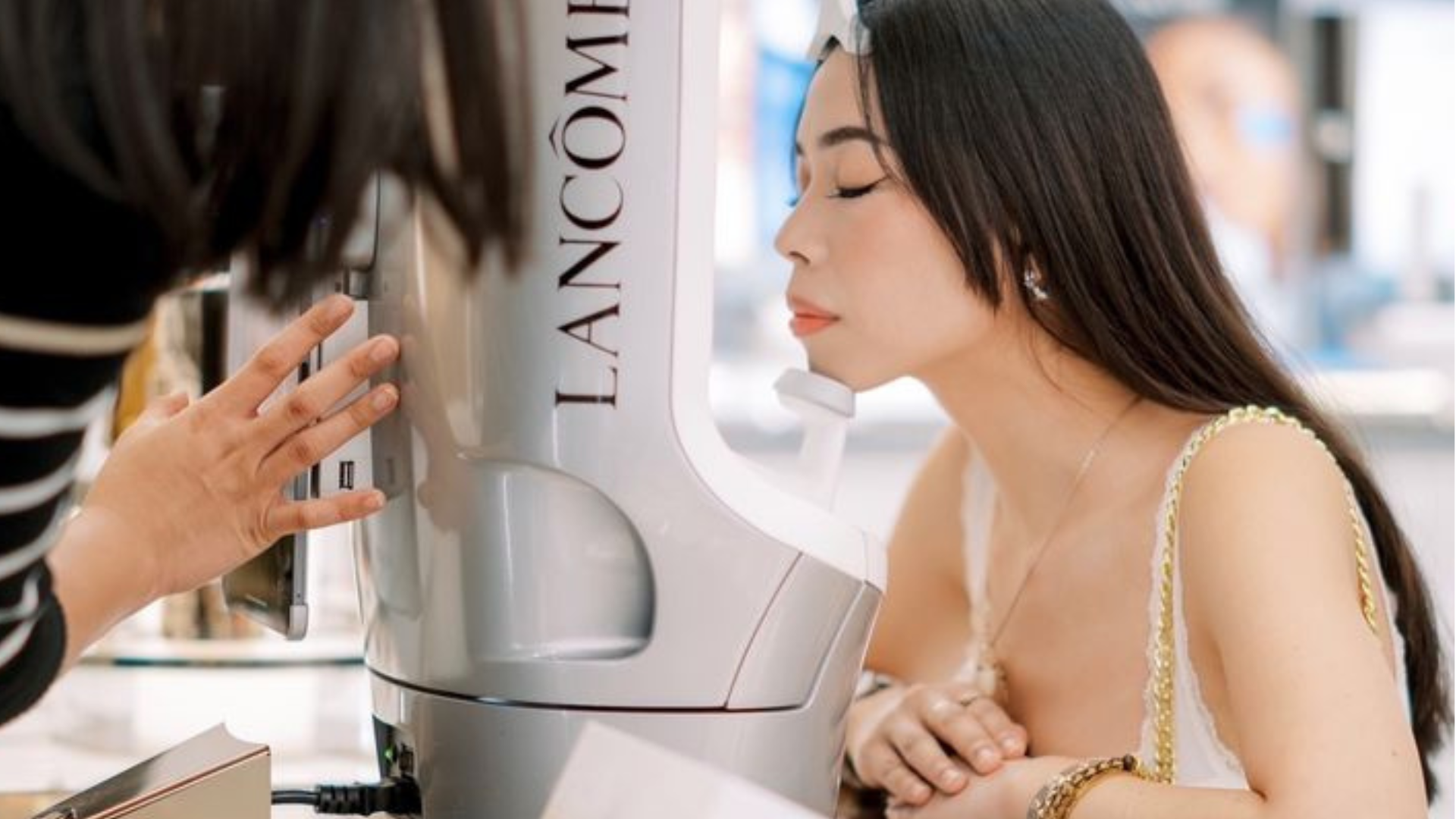
Understanding the high-end beauty market is no longer a surface-level exercise—it requires a nuanced view of purchasing behaviors, motivations, spending patterns, and loyalty drivers across varying life stages and income brackets. From initial discovery to repeat purchase, every stage of the customer journey provides valuable insight into how companies should shape market presence, channel strategy, and future growth initiatives.
Through beauty advisory and brand management, Lord and Partners helps founders and executives translate these insights into action. By uncovering who their most valuable audiences are, what influences purchasing decisions, and where opportunities for deeper engagement exist, we help businesses refine market positioning, strengthen relevance, optimize distribution, and create experiences that support sustained growth within the luxury and prestige beauty sector.
