
The Power of Brand Storytelling in Luxury Fashion
During Fall/Winter 2025, Moncler released its “Warmer Together” campaign, featuring Al Pacino and Robert De Niro. Centered on human connection, the campaign captured an intimate dialogue between the two actors, portraying genuine friendship in a way that felt both unexpected and emotionally resonant. Closely tied to the sentiment of the winter season, it subtly anchored the brand to ideas of warmth, familiarity, and togetherness—creating a deeper psychological association with its audience.
This is what luxury fashion brands continuously strive for: moving beyond product to evoke emotional connection and communicate a narrative that reflects the brand’s core values. For both independent and legacy brands, storytelling is multi-layered and must remain consistent, strategically aligned with seasonal collection releases. In luxury fashion, storytelling is not just a marketing layer—it is the foundation of the brand itself. It shapes how a house is perceived, remembered, and ultimately valued by its clients. Beyond product, storytelling defines the emotional and cultural world a brand invites its audience into, anchoring each collection, campaign, and experience within a cohesive point of view. When executed with clarity and consistency, it reinforces brand identity, builds lasting desire, and ensures creativity translates into both cultural relevance and commercial longevity.
Most luxury fashion brands wish to build brand equity, loyalty and legacy and must take a strong approach to marketing and communications. All of it should adhere to luxury, luxury is all about selling a dream aspiration the playbook looks quite different. Of course Marketing spend really does depend on the level of creative campaigns it can go storytelling. Most commonly legacy fashion houses that are backed by multi-billion dollar budgets are able to go above and beyond to make people want to obtain the items being sold, of course with the promise that what’s being sold is guaranteed to give clients the best quality and lifetime wear.
There are also multiple channels, now everything has been digitized. We have stronger platforms, not just done online social media or through ads, but also threaded throughout seasonal collections and physical retail spaces. It’s also done in a way that perfectly portrays the lifestyle of the clients that the brand desires to reach.
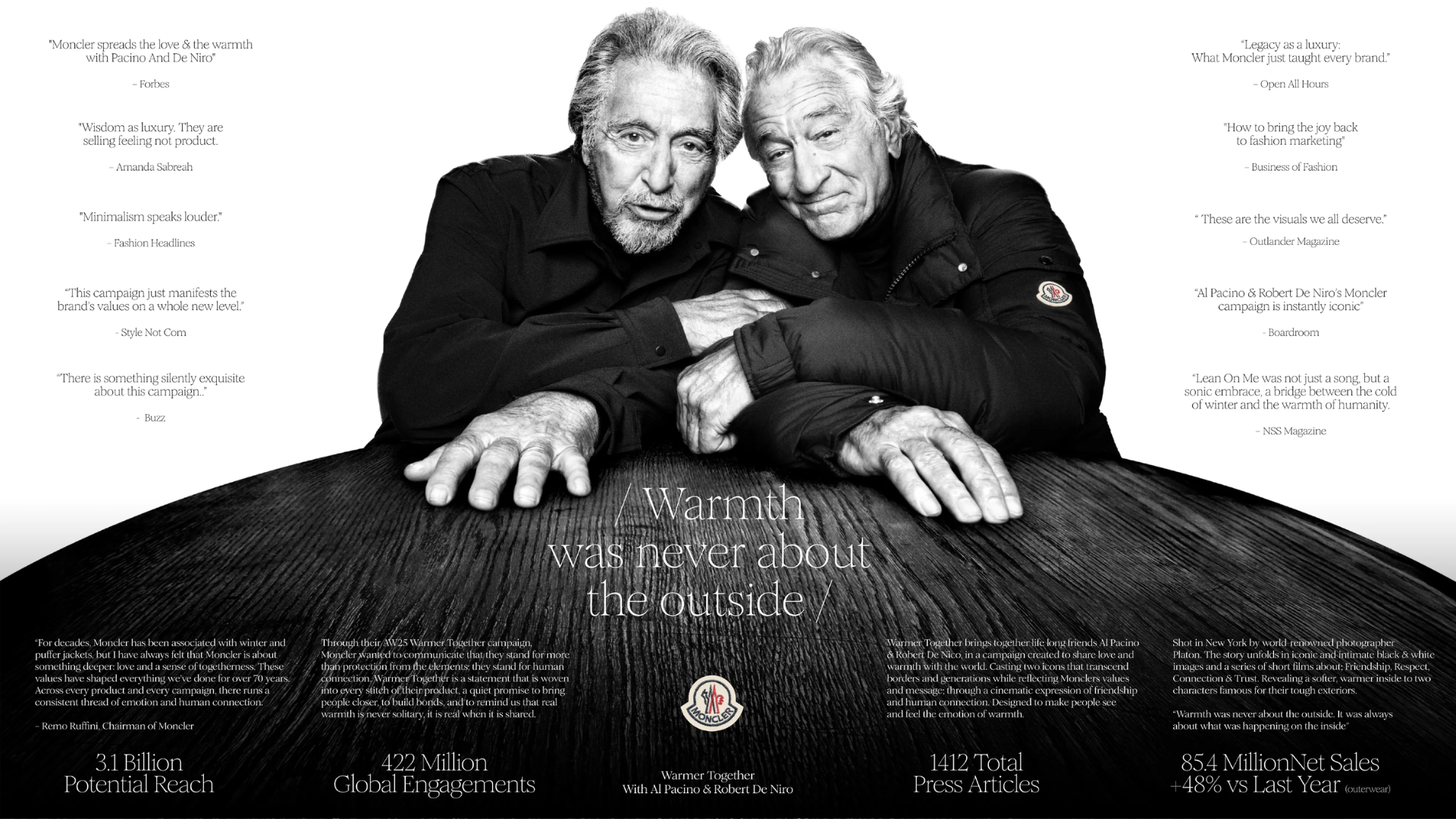
Moncler ‘Warmer Together’ Campaign
Here are the core elements luxury fashion brands must keep in mind with brand storytelling:
Clear Brand DNA and Point of View: A strong narrative begins with clarity—what the brand stands for, its heritage, and its distinct perspective within the market. This foundation ensures every story feels intentional, recognizable, and rooted in something deeper than seasonal inspiration. Independent brands often execute this with precision. Jacquemus, led by Simon Porte Jacquemus, naming his grandmother Liline as the brand’s first official ambassador reinforced its deeply personal DNA—positioning her as the “original icon.” In an industry heavily reliant on celebrity capital, this move felt authentic and culturally resonant, strengthening emotional connection while staying true to the brand’s identity.
Cultural Relevance and Timing: Luxury storytelling must exist within the broader cultural conversation. The most effective brands align with moments that carry global attention and emotional weight. Louis Vuitton’s presence at the Paris 2024 Olympics—integrating its iconic trunks into the opening ceremony—positioned the brand at the intersection of heritage, craftsmanship, and global spectacle. Similarly, the Met Gala remains a critical platform where brands translate narrative into high-impact visual moments through celebrity partnerships. Beyond large-scale events, independent brands increasingly leverage micro-moments and cultural shifts to remain agile and relevant.
Consistency Across Brand Touchpoints: Narrative must extend seamlessly across every brand expression—from runway and campaigns to digital presence and retail environments. The most successful luxury houses build immersive worlds where each touchpoint reinforces the same story. When execution is fragmented, brand perception weakens; when aligned, it strengthens credibility, deepens client trust, and builds long-term brand memory.
Emotional Resonance and Brand World-Building: It's also most powerful when it creates an emotional universe that clients want to belong to. This goes beyond aesthetics—it's about identity, aspiration, and feeling. Brands like Chanel and Dior consistently build worlds tied to femininity, legacy, and fantasy, allowing consumers to emotionally invest in the brand beyond the product itself.
Commercial Translation: Storytelling must ultimately convert into business performance. A compelling narrative should inform product development, category expansion, and client experience—ensuring alignment between what is communicated and what is sold. When executed effectively, storytelling drives demand, strengthens loyalty, and supports long-term, scalable growth rather than short-term hype.
Organic Brand Growth: Independent luxury fashion brands often excel at building organic brand growth beyond traditional press, media moments, or celebrity association. Rather than relying heavily on large-scale advertising, many focus on authentic storytelling, community engagement, and cultivating a strong brand identity in a more natural, intentional way. Performance marketing is often used to amplify what has already been established organically, with advertising serving as an extension of brand momentum rather than the foundation of it.
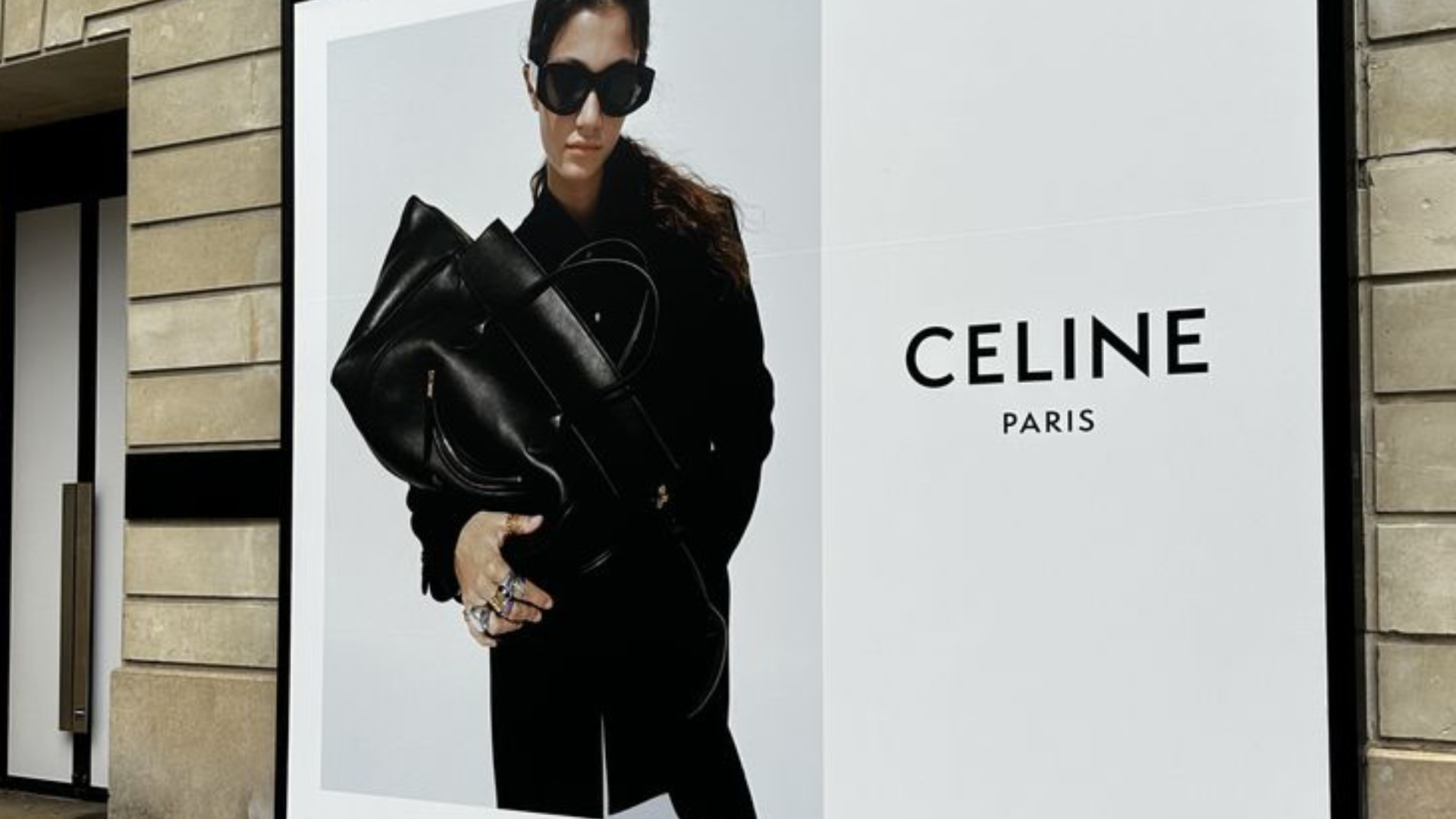
Celine Billboard
Learn how Lord and Partners organically markets luxury fashion brands through brand managementthat blends strategic storytelling with long-term growth strategy. Our integrated marketing and communications approach strengthens digital touchpoints—from social media and email to physical brand experiences—while combining creative direction with strong business acumen designed to support commercial performance and long-term brand value.
