
Balancing Artistic Direction & Business Growth
Luxury fashion is inherently art-driven—rooted in the creative and artistic expression of the designer or creative director, who is tasked with articulating a vision season after season. Collections are often born from instinct: a narrative, a cultural reference, or a reinterpretation of the brand’s DNA. This creative continuity is not just aesthetic—it is foundational to client trust and long-term brand equity.
Moments of creative transition make this especially visible. Recent shifts, such as Matthieu Blazy at Chanel and Louise Trotter at Bottega Veneta, underscore the stakes. When new leadership enters a house, the challenge is not reinvention for its own sake, but the precise calibration of evolution—honoring heritage while introducing a distinct point of view. When done well, it reinforces brand codes rather than diluting them.
However, beyond creative vision, fashion is ultimately a commercial business. Brands are measured not only by critical reception but by sell-through, retention, and sustained revenue growth. Seasonal collections, in this sense, are high-stakes business drivers—capable of accelerating momentum or exposing structural misalignment.
In recent years, even legacy houses such as Gucci and Celine—backed by conglomerates like LVMH and Kering—have faced notable revenue pressure. Much of this can be traced to a disconnect between creative direction and commercial strategy, compounded by aggressive price increases often referred to as “greedflation.” Between 2022 and 2025, the luxury sector lost an estimated 50 to 70 million aspirational consumers, as perceived value no longer aligned with pricing. In some cases, this shift also raised concerns around material quality and long-term brand integrity.
At the same time, macroeconomic shifts—particularly in key markets like China—have further complicated growth strategies, as consumer spending has become more conservative than many brands anticipated.
As a result, there is a growing gravitation toward more accessible luxury and “middle-market” brands—often independently operated—that continue to deliver strong product quality, compelling storytelling, and community-driven brand ecosystems aligned with contemporary consumer expectations.
Yet independence does not eliminate risk. Much like legacy houses, emerging independent brands face the same fundamental challenge: sustaining momentum while balancing creativity with commercial discipline. Without that balance, even the most compelling brand narratives can lose traction.
The Core Tension
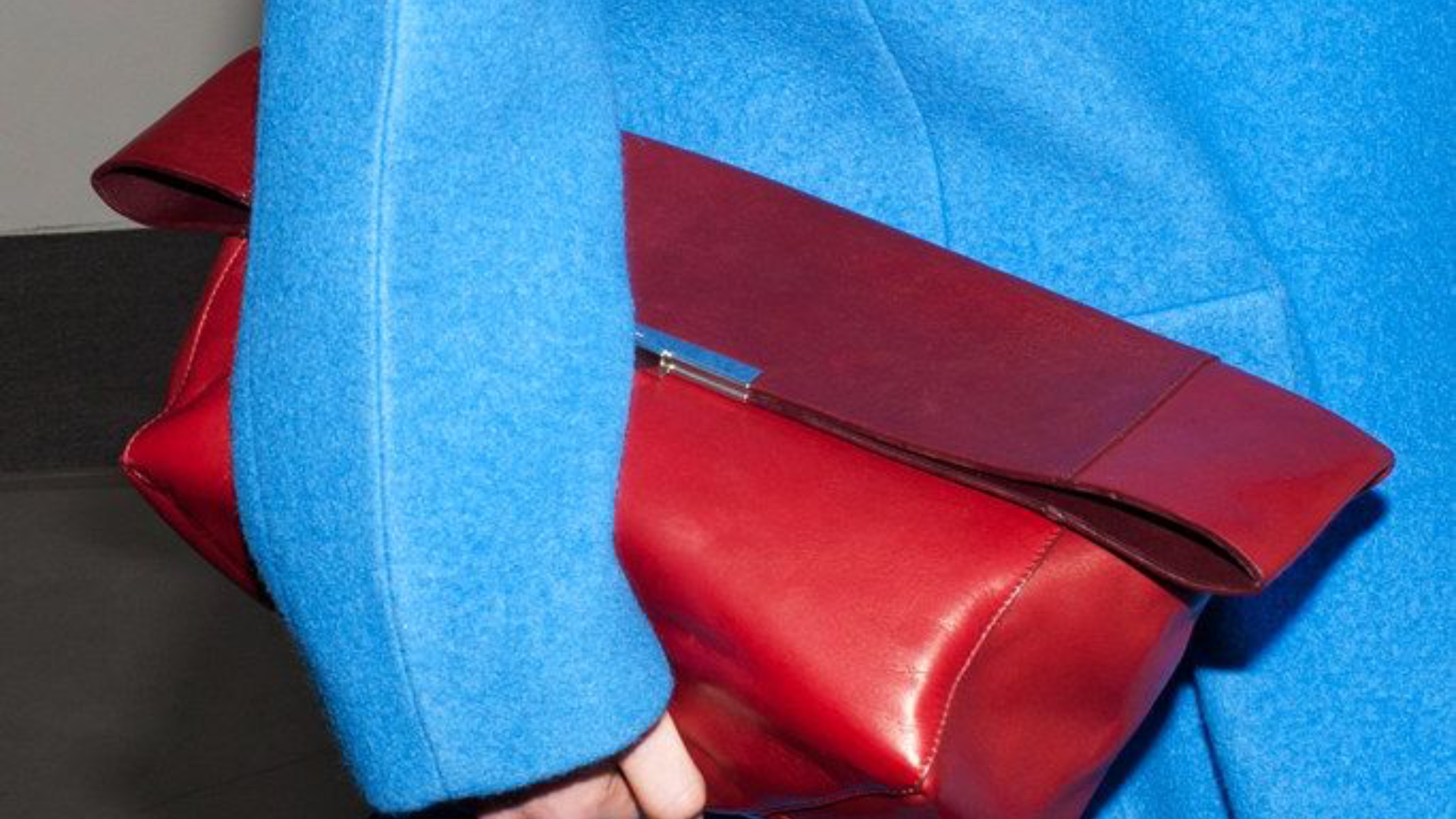
Finding that balance is complex. If a luxury fashion brand leans too heavily into creativity, it often results in weak retail performance and inconsistent sales; if it becomes too commercial, the brand risks dilution, losing its luxury edge and distinct identity. True success requires tight alignment across design, merchandising, marketing, and finance—if one function falters, the rest follow. Too often, brands prioritize the creative moment, relying on runway visibility, press, and PR hype while expecting immediate sales from a single drop or show. Brands like Victoria Beckham, which heavily invested in large-scale runway shows yet only reached profitability in 2023 after more than 15 years and over £50 million in losses, highlight this imbalance. Similarly, Fear of God founder Jerry Lorenzo recently let go of his CEO to regain full control of the business, reinforcing how founders often step back in when strategic and commercial alignment is off. While creative vision and external perception drive relevance, many designers lack commercial training and are forced to make high-stakes decisions around scaling or repositioning—often leading to misalignment between vision and financial performance.
Here’s what to keep in mind when balancing both creative and commercial success:
Design with intent, not instinct aloneCreative direction should be anchored in a clear point of view, but informed by data—historical performance, client behavior, and category demand must guide what moves from concept to collection.
Protect and evolve brand codesInnovation should never come at the expense of identity. The most successful collections reinterpret house signatures in ways that feel directional yet instantly recognizable to the client.
Build collections with a commercial architecture: Every collection should have a defined structure—hero pieces for brand image, core products for volume, and entry price points to sustain accessibility and client acquisition.
Align creative, merchandising, and finance early: Cross-functional integration is critical. Margin targets, pricing strategy, and assortment planning should shape creative decisions from the outset—not dilute them at the end.
Prioritize long-term brand equity over short-term reaction: Chasing trends or overcorrecting to market pressure weakens positioning. Sustainable growth comes from consistency, clarity, and disciplined evolution over time.
Too often, luxury fashion brands rely on fragmented outsourcing across creative and PR functions. As a result, there is a growing need for advisory and brand management partnerships that address the full picture of the business—integrating creative direction with marketing and communications, sales performance, and financial strategy to drive more informed, cohesive decision-making.
Learn how Lord and Partners bridges the gap between creativity and commercial viability through tailored partnerships:
Fashion Advisory Partnerships: Short- to long-term strategic engagements guiding brands from emerging to established luxury. We support positioning, brand clarity, market entry, pivots, and scalable growth—ensuring brands navigate the luxury landscape with precision and direction.
Fashion Brand Management: End-to-end oversight across product, brand, and business. From strategy through execution, we deliver a full-spectrum approach—covering brand development, marketing, and performance, with strong financial visibility including P&L insight and growth strategy.
