
High-Growth Categories Luxury Fashion Brands Should Lean Into
Every luxury fashion brand needs seasonal collections anchored by hero products or iconic pieces that define recognition and strengthen customer lifetime value. Category growth is often what stabilizes luxury fashion brands. It builds authority, reinforces brand equity, and becomes the foundation brands rely on during macroeconomic pressure or internal transition. In many cases, it is what keeps a brand commercially steady when other areas fluctuate—something designers and executives can confidently lean on when performance is inconsistent.
Traditionally, fashion has centered around ready-to-wear collections—seasonal storytelling expressed through cohesive worlds of clothing and accessories across Spring/Summer and Autumn/Winter debuts. Designers build narratives through tops, bottoms, footwear, and handbags in a unified expression of vision and artistry.
However, within that ecosystem, brands often find that one category that performs disproportionately well. Whether it’s handbags, eyewear, footwear, or jewelry, leaning into a strong category becomes a strategic advantage—not just a creative output.
In today’s luxury market, where competition is intense and consumer attention is fragmented, category strength is no longer optional. It is a commercial stabilizer and a key driver of brand confidence
Core High-Growth Categories
Leaning into high-growth categories within luxury fashion requires a disciplined, intentional approach. It is not simply about capturing incremental revenue, but about ensuring each expansion is fully aligned with the brand’s DNA, positioning, and long-term vision. The most successful category extensions feel inherent—grounded in clear consumer insight and supported by a strong commercial rationale.
In practice, these opportunities often sit within accessories or extend into adjacent categories such as beauty, where lower entry price points serve as powerful acquisition drivers. These categories offer clients an accessible introduction to the brand’s world—creating early emotional connection and brand affinity—before transitioning into higher-investment ready-to-wear and core collections. When executed thoughtfully, this approach strengthens desirability while delivering sustained, long-term growth.
The following top-performing categories remain at the forefront of modern fashion brands:
Handbags continue to serve as the commercial and cultural backbone of most luxury fashion houses. From Maison Alaïa’s East-West silhouettes to Jacquemus’ Le Chiquito and Loewe’s iconic Puzzle Bag, these pieces are not only revenue drivers but extensions of brand identity. The global leather goods market is projected to reach $67.86 billion by 2030, growing at a CAGR of 5.4%. A key shift within this category is the sustained demand for accessible luxury—particularly within the $250–$500 range—where emerging and independent designers are capturing early brand loyalty. These entry-point products often act as a gateway before consumers invest in heritage pieces such as those from Hermès.
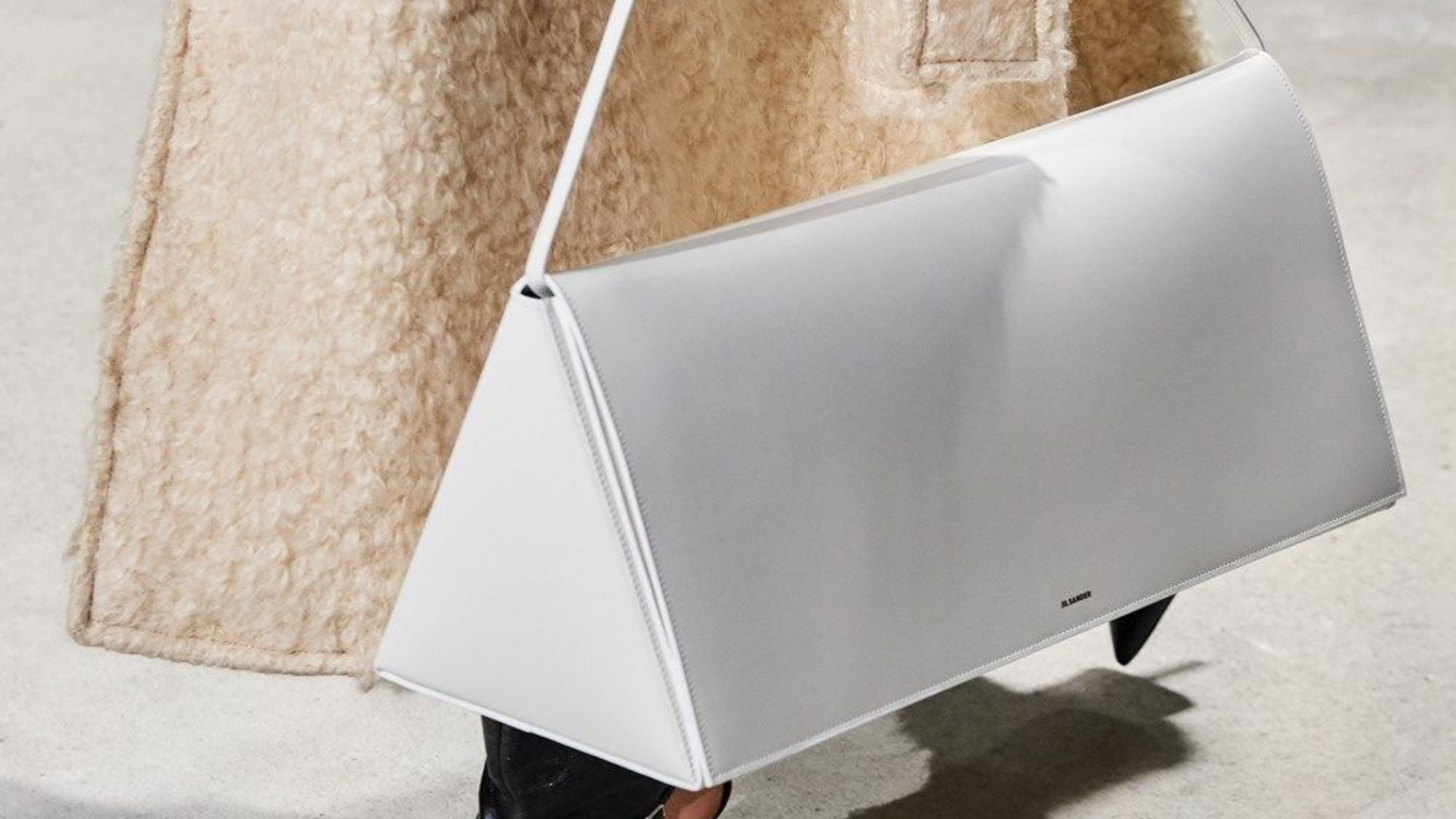
Jil Sander Handbag
Jewelry has quickly evolved into one of the fastest-growing categories in fashion, expected to outpace apparel growth significantly between 2025 and 2028. This momentum is driven by the rise of lab-grown diamonds, branded fine jewelry, and the continued normalization of self-purchasing among Gen Z and millennial consumers.For luxury brands—particularly those rooted in evening wear, couture, or bridal—fine jewelry presents a natural extension of the brand universe. At the same time, everyday luxury jewelry has become a powerful driver of repeat purchases, with brands like Mejuri demonstrating how accessibility, design, and consistency can build long-term customer value.
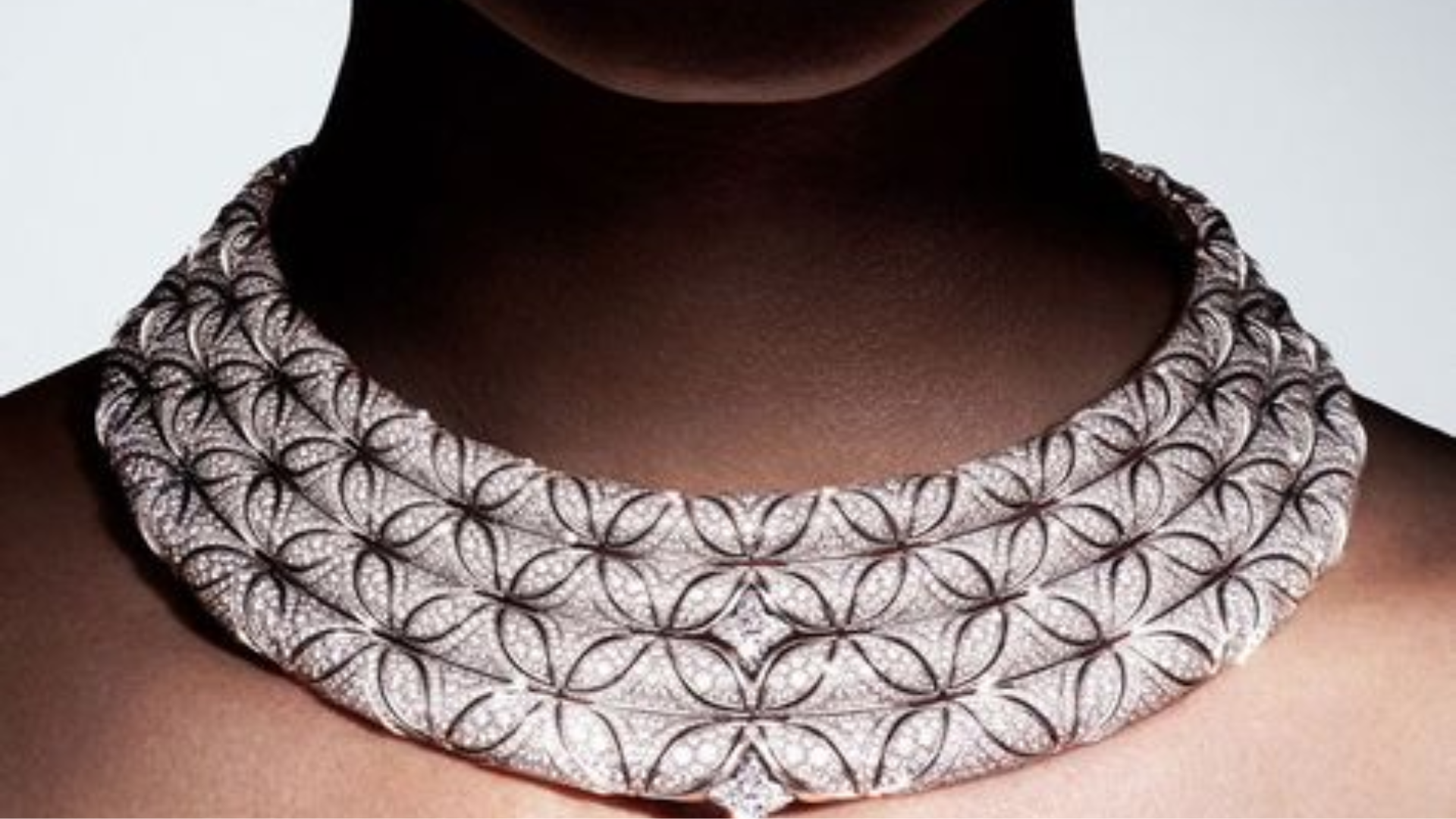
Bulgari High Jewelry - Necklace
Eyewear remains a high-growth, high-margin category, projected to grow steadily as it continues to evolve from a functional necessity into a lifestyle accessory. It offers one of the most strategic entry points for fashion brands looking to expand into accessories without overextending operationally. Partnerships have proven especially effective in this space. For example, Khaite’s collaboration with Oliver Peoples illustrates how aligned brand identities can translate into commercially viable product extensions. For brands looking to develop standalone lines, licensing agreements with industry leaders such as Luxottica are often essential to ensure scale, distribution, and technical expertise.
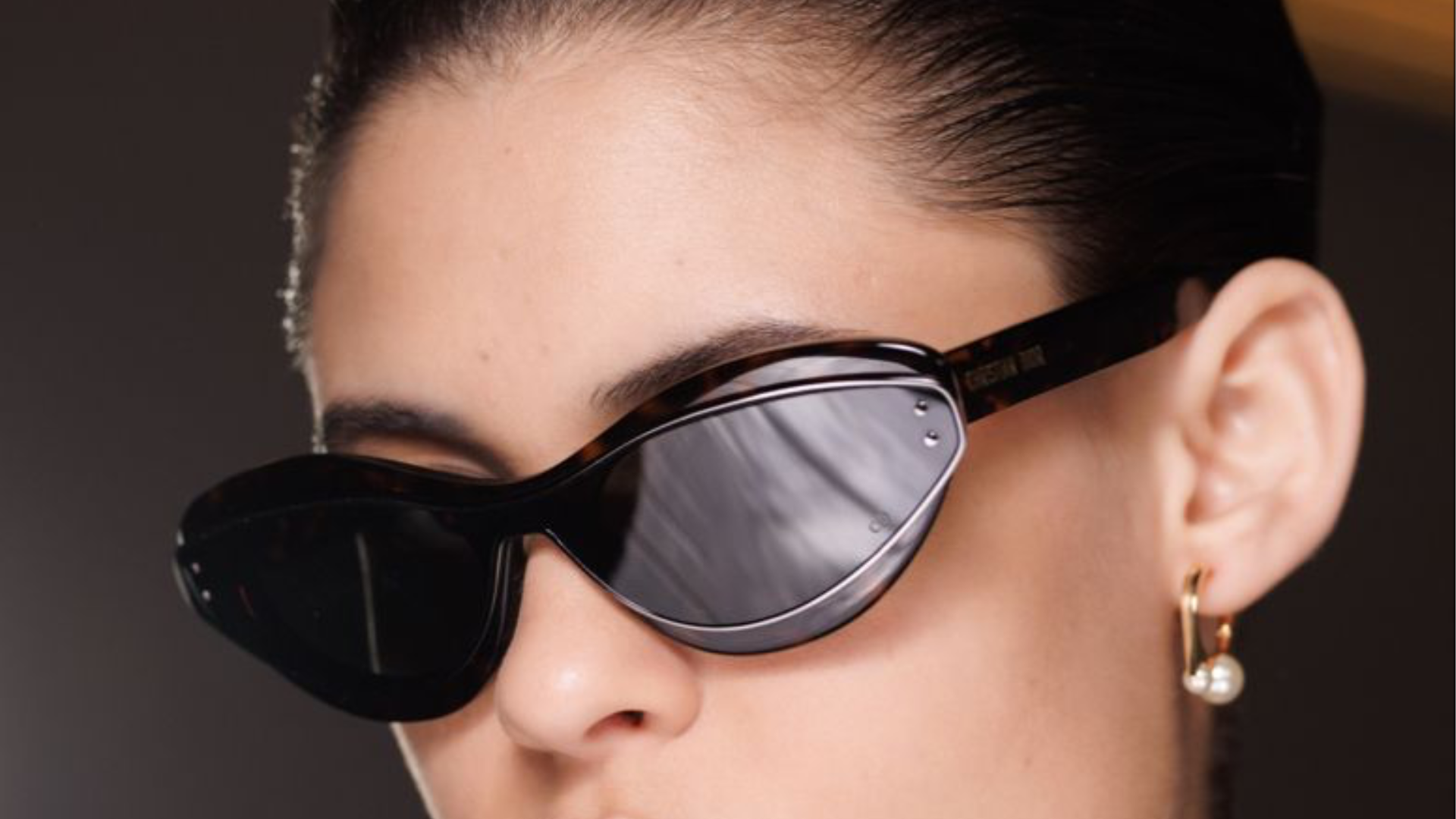
Christian Dior Eyewear
Learn how Lord and Partners helps luxury fashion brands scale with intention—strategically entering new categories, refining assortment, and identifying the highest-impact areas for growth. Through fashion advisory, we ensure seasonal collections translate into sustained, long-term brand and revenue expansion.
