
Seasonal Collection Missteps in Luxury Fashion
A collection should do more than the present product—it should reinforce a brand’s identity, sharpen its point of view, and build lasting recognition. At its best, a collection feels intentional—each piece connected, complementary, and part of a larger story that encourages the customer to invest not just in one item, but across the entire offering.
Some independent brands execute this with precision. Khaite, under Catherine Holstein, has built a distinct aesthetic rooted in New York Edge but femininity —minimal yet emotive. That balance carries across collections through consistent silhouettes, tonal palettes, and a clear understanding of the woman they design for. Each piece feels like a continuation, not a departure.
Similarly, Maison Alaïa operates with an unwavering design language—sculptural forms, precision tailoring, and a deep respect for the body. Collections feel tightly edited and intentional, reinforcing brand codes rather than reinventing them each season.
On the other hand, many emerging brands fall into a different pattern—collections that feel like a mix of ideas rather than a clear point of view. A tailored blazer sits next to an experimental evening piece, followed by trend-led items that don’t fully connect. Individually, the pieces may work. Together, they lack cohesion.
And that’s where dilution happens.
Because at the collection level, brand equity is either strengthened or quietly weakened. When everything correlates—visually, emotionally, and strategically—it builds desire. When it doesn’t, it creates confusion.
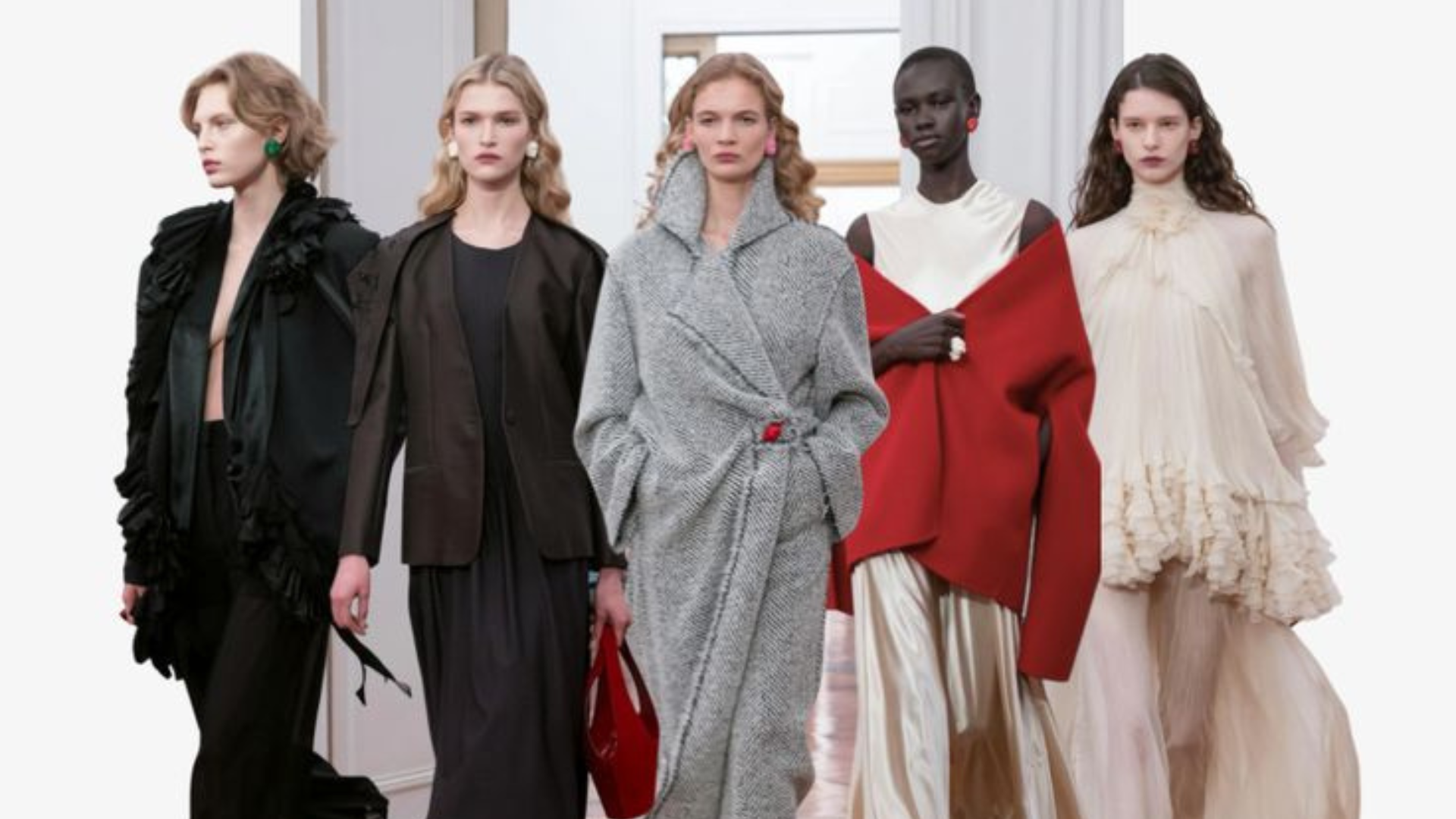
Alberta Ferretti Fall 2025 Collection
Three common missteps:
Designing without narrative: When a collection lacks a clear story or point of view, it reads as a series of disconnected ideas rather than a cohesive statement. Without narrative direction, even well-designed pieces fail to create impact or memorability. You see the opposite in brands like The Row, where collections are built around a disciplined emotional language—quiet luxury, restraint, and proportion. Every piece feels intentional, even when minimal, because it exists within a consistent world. Similarly, designers like Gabriela Hearst anchor collections in purpose-driven storytelling—sustainability, craft, and material integrity—so even understated garments feel connected to a larger philosophy. Without that narrative foundation, collections risk becoming visually interesting but emotionally flat—individual ideas rather than a unified statement.
Chasing Trends Over Identity: Trend-driven collections may generate short-term attention, but often at the expense of long-term brand distinction. When every season shifts direction, the brand loses clarity—and with it, consumer interest. Emerging luxury fashion labels that pivot heavily each season—adopting micro-trends from sheer fabrics to Y2K styling to quiet luxury tropes—often struggle to establish a recognizable identity in the market and tomorrow everyone forgets about them.
Lack of Hero Pieces: Strong collections are anchored by standout products that define the season and carry the brand forward. Without clear hero items, collections become diluted, making it harder to drive both desire and recall. You can see effective hero strategy in Staud, where structured handbags and statement silhouettes consistently act as entry points into the brand each season. These pieces are immediately identifiable and commercially anchoring. Similarly, Proenza Schouler often builds collections around key silhouettes or fabric innovations that become reference points for the entire season. Without that anchoring effect, collections risk becoming a wide range of competent ideas with no central focus—making it harder for consumers to remember, desire, or invest deeply.
For independent luxury fashion brands navigating season after season, there is not always a need to participate in the pace or structure of the traditional fashion calendar. Many have the freedom to operate off-cycle and develop slower, more intentional collections that evolve on their own terms. However, regardless of timing or cadence, the priority remains the same: maintaining a luxury-aligned approach that balances creativity with commercial clarity.
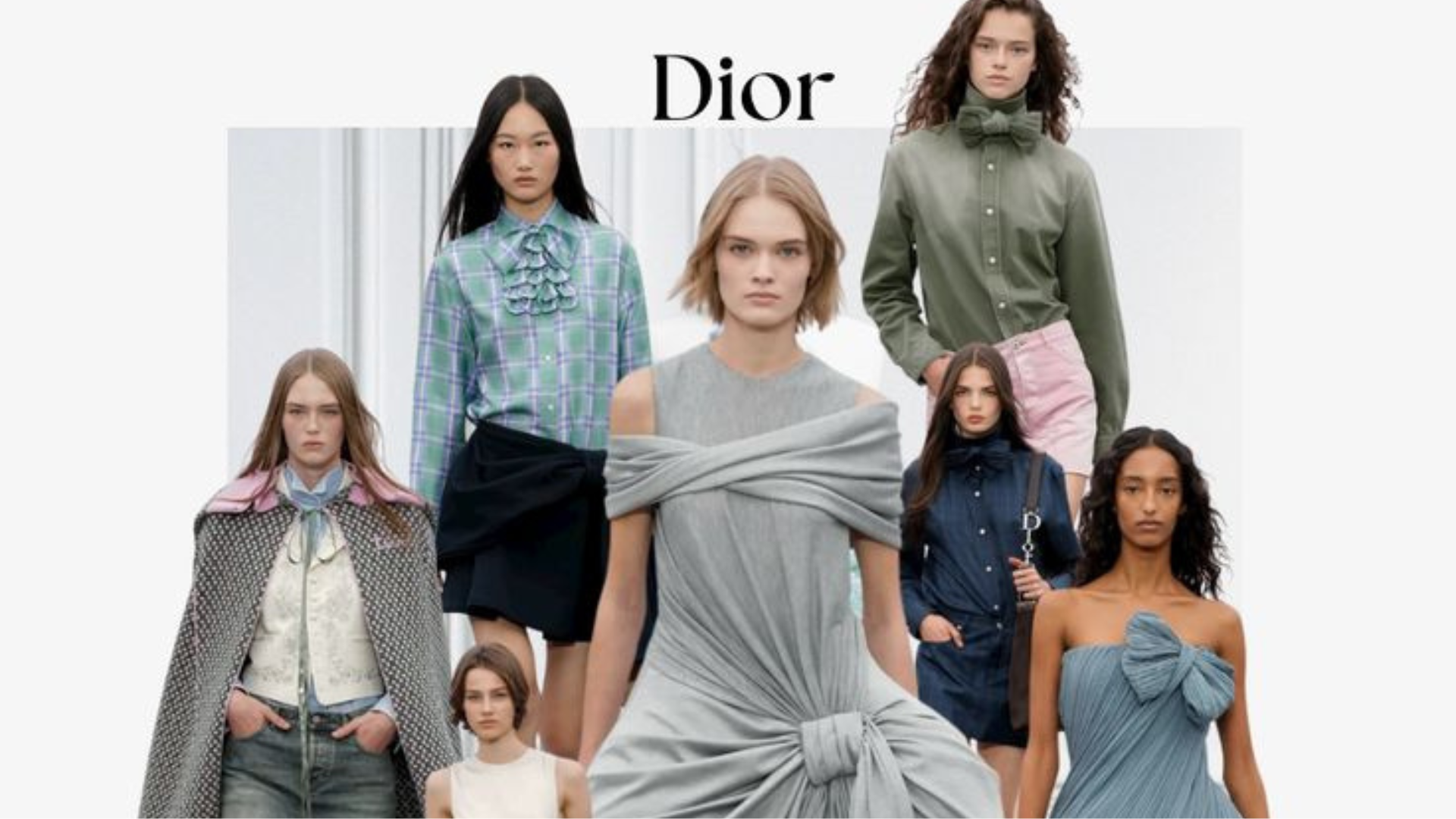
Dior Spring Summer 2026, Jonathan Anderson
At Lord and Partners, we focus on supporting the growth of luxury fashion brands by ensuring each seasonal collection is both creatively grounded and strategically aligned through fashion advisory and brand management. This includes reinforcing the designer’s vision, maintaining consistent brand codes and DNA, refining assortment strategy, and developing strong hero pieces and staples that strengthen recognition, desirability, and long-term consumer loyalty.
